Zipp’s current road-ish-but-gravel-ish 303 S model has been replaced by an all-new road specific platform, the 404 S, leaving the 303 XPLR S to take care of the rough stuff. I
t comes with some pretty punchy aero claims, claiming to beat the likes of Roval and Scope, all while coming in at a price point that significantly undercuts the competition in many cases.
It’s still sticking with hookless, but at this price there is now a greater likelihood of this trickling down into the mass market despite the still-frosty reception from consumers, and they represent a more attainable option for many riders who are looking to upgrade to a set of the best road bike wheels.
Latest Videos From
(Image credit: Zipp)
By the numbers
The new 404 S wheels, unlike the 303 S, don’t try and straddle tarmac and gravel duties; the demands of gravel have moved on apace in recent years and realistically there isn’t a good way to make a wheel that will do everything well without compromising in the width or weight.
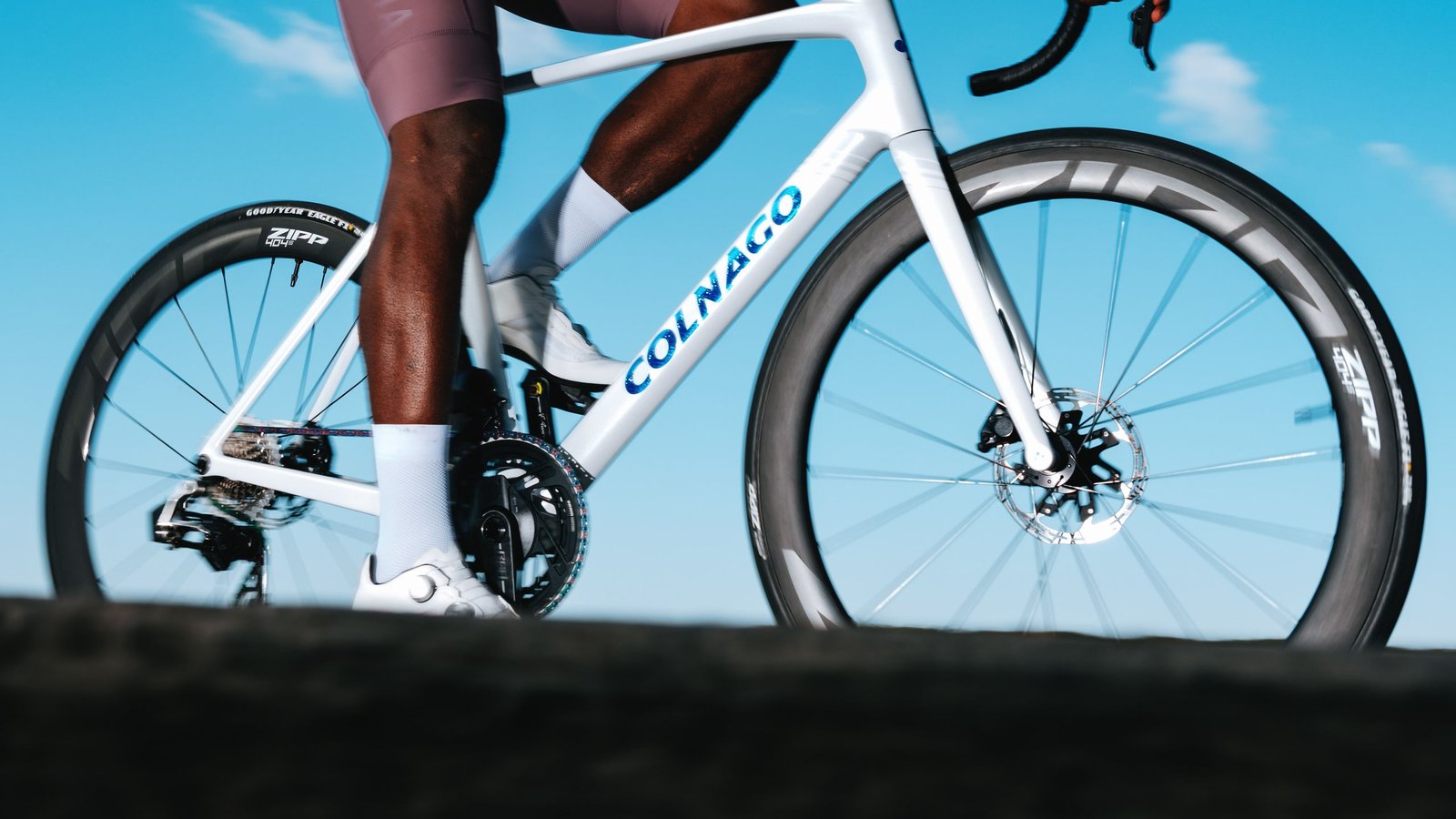
With only tarmac in mind, the 404 S is deeper than the old 303 S (unsurprisingly, as a bigger number denotes deeper in Zipp-speak). These wheels are 50mm deep, with a 23mm hookless internal width. They’re laced with Sapim J-bend spokes to a 3-pawl Zipp 76/176 hubset that you can have in either Shimano or SRAM flavours, but not Campagnolo. They also feature a lifetime warranty.
At 1,585g they’re 60g heavier than the claimed weight of the 303 S, but for that slight extra in gram terms you get ‘about two watts’ back against the old 303 S wheelset. You also get wattage gains against some heavy hitters of the racing wheel world too, though it must be caveated that the ‘Weighted Aero Drag’ that Zipp provides in a handy graphical format doesn’t come with any details about the testing protocol or even the speed, and shows a wattage difference between the 303 S and 404 S at just under four watts by my reading, roughly double the ‘around two watts’ quoted in the release text.
Regardless, according to Zipp’s figures the 404 S is ≈0.4 watts faster than Roval’s Sprint CLX wheels, and ≈1.6 watts faster than Scope’s Artech 4.A wheels. There is also a claimed benefit of ≈2.2 watts versus Princeton Carbonworks’ Wake 6065 wheels, a set that in our own wind tunnel testing were only 0.43 watts faster than Zipp’s presumably faster 404 Firecrest wheels at 40km/h.
The latest race content, interviews, features, reviews and expert buying guides, direct to your inbox!
The wheels are designed around the Goodyear Eagle F1 R Z29 Aero tyre, though it is unclear whether testing was conducted with this tyre installed. The rims are designed to operate best with 28-29mm tyres.
If you’re in a purchasing mood you’ll need to shell out $1,300 / €1,100 / £985. Adjusting for the not-insignificant inflation that’s occurred since the 303 S came out in 2020, these are around £300 cheaper, which is significant.
Zipp’s graph of performance versus price (Image credit: Zipp)
Analysis: Performance on a budget
Analysis: Performance on a budget
Will Jones
If we take the figures as presented these wheels do represent quite an astounding price:performance ratio. On the face of it, getting Roval or Scope performance (purely in aero terms) in a wheelset under £1,000 is a real headline grabber, but I think the fact these wheels are coming in under £1k speaks more to the overall SRAM family strategy.
Zipp comes under the greater SRAM umbrella, and SRAM itself has seen significant success in recent years in gaining something of a stranglehold on the entry level component market, leaving Shimano playing catchup. Most new gravel bikes come with SRAM now; it’s easy to live with and easy to explain on the shop floor (digital or otherwise), and the brand seems fun in a way its Japanese counterpart doesn’t. If you capture more people at the entry level you’re more likely to retain them when they go on to upgrade their bikes down the line. Apex and Rival customers eventually become Force and Red customers.
The thousand-ish quid wheelset is The Big Upgrade a lot of new cyclists actually work towards. The ‘first carbon wheels’ to get that road bike really on song, and I suspect this more competitive pricing is a bid to get more fresh cyclists under the Zipp umbrella early on, and perhaps also to help trickle down hookless technology to more of a mass market. It’s telling that these aren’t marked as ‘hookless’, a term that has attracted much ire, but rather ‘TSS’ (Tubeless Straight Sides), which is exactly the same thing but with a name less prone to lighting up the comments section.