
Introduction to Smart Systems
Technology has changed the way people live, work, communicate, and manage daily activities. Among the most important developments of modern innovation are Smart Systems, which combine advanced technology, automation, artificial intelligence, sensors, and data analysis to create solutions that are more efficient, convenient, and intelligent.
A smart system is designed to understand information from its environment, process data, and make decisions with minimal human involvement. These systems are becoming an essential part of homes, businesses, industries, healthcare, transportation, agriculture, and many other areas.
From smart homes that automatically control lighting and security to intelligent industrial machines that improve production, smart systems are helping people save time, reduce costs, and improve overall performance.
What Are Smart Systems?
Smart Systems are technology-based solutions that use connected devices, software, sensors, and artificial intelligence to collect and analyze information. These systems can respond to changes, learn from data, and perform tasks automatically.
Unlike traditional systems that require constant manual operation, smart systems are capable of making decisions based on real-time information. They create a connection between humans, machines, and digital platforms.
For example, a traditional security camera only records video, but a smart security system can identify unusual activity, send alerts, recognize faces, and provide remote access through a mobile application.
How Do Smart Systems Work?
Smart systems usually work through a combination of several technologies:
Sensors and Data Collection
Sensors are one of the most important components of smart systems. They collect information from the surrounding environment, such as temperature, movement, location, sound, or user behavior.
For example:
- Smart thermostats use sensors to detect room temperature.
- Smart vehicles use sensors to monitor road conditions.
- Smart factories use sensors to track machine performance.
Artificial Intelligence and Machine Learning
Artificial intelligence allows smart systems to analyze collected data and make intelligent decisions. Machine learning helps these systems improve over time by learning from previous information.
For example, a smart recommendation system can understand user preferences and suggest products, movies, or services based on past behavior.
Internet Connectivity
Most modern smart systems depend on internet connectivity. The Internet of Things (IoT) allows different devices to communicate with each other and share information.
A connected smart home may include:
- Smart lights
- Smart locks
- Smart cameras
- Smart speakers
- Smart appliances
All these devices can work together through a connected network.
Importance of Smart Systems in Modern Life
Smart systems are becoming increasingly important because they provide solutions to many challenges faced by individuals and organizations.
Increased Efficiency
One of the biggest advantages of smart systems is improved efficiency. Automated processes reduce human effort and help complete tasks faster.
Businesses use smart systems to:
- Manage resources effectively
- Reduce operational costs
- Improve productivity
- Monitor performance
Better Decision Making
Smart systems provide accurate information through data analysis. Organizations can use this information to make better decisions and plan future strategies.
For example, companies can analyze customer behavior, market trends, and operational data to improve their services.
Improved Convenience
Smart technology makes everyday life easier. People can control many devices remotely using smartphones or voice commands.
A person can:
- Adjust home temperature before arriving home
- Turn lights on or off remotely
- Monitor security cameras from anywhere
- Manage household appliances automatically
Types of Smart Systems
Smart systems exist in many forms, depending on their purpose and application.
Smart Home Systems
Smart home systems are among the most popular examples of smart technology. They allow homeowners to automate and control different aspects of their homes.
Common smart home features include:
- Automated lighting
- Smart heating and cooling
- Voice-controlled assistants
- Security monitoring
- Energy management
These systems improve comfort, safety, and energy efficiency.
Smart Healthcare Systems
Healthcare is another field where smart systems are creating major improvements. Smart healthcare solutions help doctors, patients, and hospitals manage medical information more effectively.
Examples include:
- Remote patient monitoring
- Smart medical devices
- Digital health records
- AI-based diagnosis support
These technologies help provide faster and more accurate healthcare services.
Smart Transportation Systems
Smart transportation systems use technology to improve travel safety and efficiency.
Examples include:
- Intelligent traffic management
- Navigation systems
- Smart parking solutions
- Connected vehicles
These systems help reduce traffic problems and improve transportation networks.
Smart Industrial Systems
Industries use smart systems to create advanced manufacturing environments. These systems are often known as smart factories.
Smart industrial systems help with:
- Automated production
- Equipment monitoring
- Predictive maintenance
- Quality control
By analyzing machine data, companies can identify problems before equipment failure occurs.
Smart Systems: The Future of Intelligent Technology and Connected Living
Smart Systems in Business and Organizations
Businesses around the world are adopting smart systems to improve productivity, reduce expenses, and provide better services to customers. Modern organizations collect large amounts of data every day, and smart systems help transform this data into useful information.
Companies use intelligent technologies to automate routine tasks, monitor operations, and make faster decisions. From small businesses to large corporations, smart systems are becoming an important part of digital transformation.
Smart Systems for Customer Experience
Customer expectations are changing rapidly. People want faster services, personalized experiences, and convenient solutions. Smart systems help businesses understand customer needs and provide better support.
Examples include:
- AI-powered customer service assistants
- Personalized shopping recommendations
- Automated booking systems
- Smart payment solutions
- Customer behavior analysis
Online stores use smart systems to study customer interests and suggest products that match their preferences. This improves customer satisfaction and increases business growth.
Role of Artificial Intelligence in Smart Systems
Artificial Intelligence (AI) is one of the most important technologies behind modern smart systems. AI allows machines to analyze information, recognize patterns, and make decisions similar to human thinking.
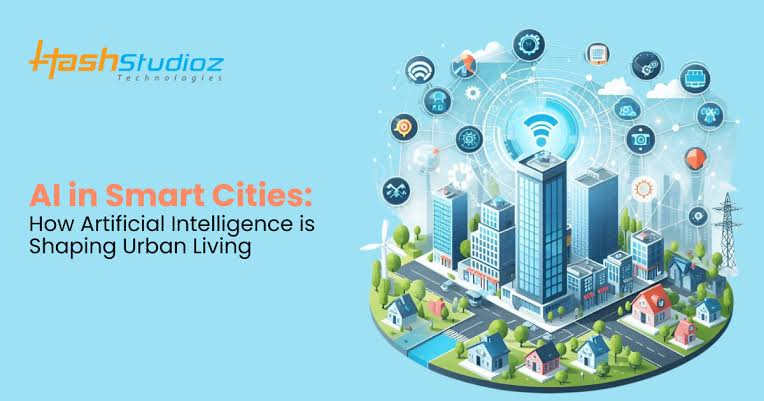
Without artificial intelligence, many smart systems would only collect data. AI gives these systems the ability to understand information and respond intelligently.
AI-Powered Smart Solutions
Many industries are now using AI-based smart systems, including:
- Healthcare
- Banking
- Education
- Manufacturing
- Transportation
- Marketing
For example, AI-powered healthcare systems can analyze medical information and help professionals identify possible health issues. In business, AI tools can predict customer trends and improve decision-making.
Smart Systems and the Internet of Things (IoT)
The Internet of Things, commonly known as IoT, is a major foundation of smart systems. IoT connects physical devices through the internet, allowing them to exchange information.
A smart device usually contains:
- Sensors
- Software
- Network connection
- Data processing ability
When multiple smart devices are connected, they create an intelligent ecosystem where devices can communicate and work together.
Examples of IoT-Based Smart Systems
Some common examples include:
Smart Agriculture
Farmers use smart systems to improve crop production and reduce waste. IoT sensors can monitor:
- Soil moisture
- Weather conditions
- Crop health
- Water usage
This helps farmers make better decisions and increase productivity.
Smart Energy Management
Energy companies and homeowners use smart systems to monitor and control energy consumption.
Smart energy solutions can:
- Reduce electricity waste
- Improve energy efficiency
- Monitor usage patterns
- Support renewable energy systems
Smart meters are a common example of technology that helps users understand and manage energy consumption.
Benefits of Smart Systems
Smart systems offer many advantages for individuals, businesses, and society.
1. Automation and Time Saving
One of the biggest benefits of smart systems is automation. These systems can perform repetitive tasks without continuous human involvement.
Automation helps people focus on more important activities while machines handle routine operations.
Examples:
- Automatic home lighting
- Automated manufacturing processes
- Digital scheduling systems
- Smart inventory management
2. Cost Reduction
Smart systems help reduce costs by improving efficiency and preventing unnecessary waste.
Businesses can save money through:
- Lower energy consumption
- Reduced maintenance costs
- Improved resource management
- Faster operations
For example, predictive maintenance systems can identify equipment problems before major damage occurs.
3. Improved Security
Security is a major reason why many people and organizations use smart systems.
Smart security solutions include:
- Smart cameras
- Access control systems
- Motion detection
- Real-time alerts
These technologies provide better monitoring and faster responses to possible threats.
4. Better Data Management
Smart systems collect and organize large amounts of information. This data helps users understand patterns and improve performance.
Organizations can use smart data analysis for:
- Market research
- Business planning
- Customer understanding
- Performance improvement
5. Environmental Benefits
Smart systems can also support environmental protection by reducing waste and improving resource usage.
Examples include:
- Smart energy systems
- Intelligent transportation
- Automated recycling solutions
- Sustainable farming technologies
These solutions help create a more efficient and environmentally friendly future.
Challenges of Smart Systems
Although smart systems provide many benefits, they also come with certain challenges. Understanding these challenges is important for safe and responsible technology use.
Data Privacy Concerns
Smart systems collect and process large amounts of information. Protecting this data is one of the biggest challenges.
Users need strong security measures to prevent unauthorized access and misuse of personal information.
Important security practices include:
- Strong passwords
- Regular software updates
- Data encryption
- Secure networks
High Initial Investment
Some smart systems require significant investment during installation. Advanced devices, software, and infrastructure can be expensive.
However, many organizations consider these costs worthwhile because smart systems can provide long-term savings and improved efficiency.
Technical Complexity
Smart technologies can sometimes be difficult to install, manage, and maintain. Users may require technical knowledge or professional support.
Companies need trained employees who understand how to operate and maintain smart solutions effectively.
Dependence on Internet Connectivity
Many smart systems depend on internet connections. Poor connectivity can affect performance and reduce reliability.
Strong networks and backup solutions are important for maintaining smooth operations.
The Future of Smart Systems
The future of smart systems looks highly promising. As technology continues to improve, these systems will become more intelligent, affordable, and widely available.
Future smart systems are expected to include:
- More advanced artificial intelligence
- Improved automation
- Faster communication networks
- Better security solutions
- More personalized experiences
Smart technology will continue changing how people interact with their homes, workplaces, vehicles, and communities.
Smart Systems and Future Cities
Future cities will rely heavily on smart systems to improve the quality of life for residents.
Smart city solutions may include:
- Intelligent traffic control
- Automated public services
- Smart waste management
- Energy-efficient buildings
- Advanced security networks
These technologies can help cities become cleaner, safer, and more efficient.
Smart Systems in Education
Education is also benefiting from intelligent technology. Smart learning systems provide personalized education experiences for students.
Examples include:
- Online learning platforms
- AI-based learning assistants
- Digital classrooms
- Automated assessment tools
These systems help teachers understand student performance and provide better learning opportunities.
Frequently Asked Questions (FAQs) About Smart Systems
1. What are Smart Systems?
Smart Systems are advanced technology solutions that use sensors, artificial intelligence, software, and internet connectivity to collect information, analyze data, and perform tasks automatically. These systems can make decisions, improve efficiency, and provide smarter solutions in areas such as homes, businesses, healthcare, transportation, and industries.
2. How do Smart Systems work?
Smart Systems work by collecting data through sensors and connected devices. The collected information is processed using software, artificial intelligence, and machine learning technologies. After analyzing the data, the system can take actions automatically or provide useful recommendations to users.
3. What are the benefits of using Smart Systems?
Smart Systems provide many benefits, including improved efficiency, automation, better security, cost savings, and faster decision-making. They help individuals and businesses save time, reduce resource waste, and improve overall performance.
4. Where are Smart Systems used?
Smart Systems are used in many different fields, including smart homes, healthcare, agriculture, education, transportation, manufacturing, banking, and smart cities. They help organizations and individuals manage tasks more effectively through automation and intelligent technology.
5. Are Smart Systems secure?
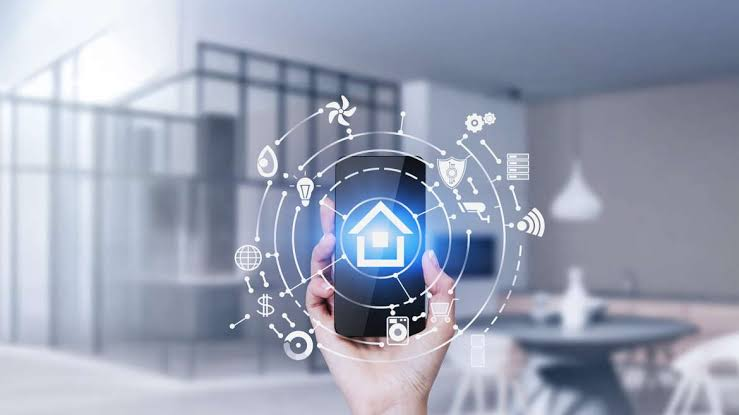
Smart Systems can be secure when they are properly designed and maintained. Using strong passwords, regular updates, secure networks, and data protection methods can help reduce security risks. As smart technology continues to grow, improving cybersecurity remains an important priority.
Conclusion
Smart Systems are changing the way people live and work by providing intelligent, automated, and efficient solutions. With the power of artificial intelligence, sensors, and connectivity, these systems improve convenience, security, and productivity. As technology continues to grow, Smart Systems will become an important part of the future.