Introduction to Knowledge Systems
In today’s digital world, information has become one of the most valuable resources for individuals, organizations, and businesses. Every day, millions of pieces of data are created through websites, applications, machines, research, and human activities. However, raw data alone does not provide meaningful value unless it can be organized, understood, and transformed into useful knowledge. This is where Knowledge Systems play an important role.
Knowledge Systems are intelligent frameworks designed to collect, organize, store, process, and share knowledge in a structured way. They help computers and humans make better decisions by using stored information, logical reasoning, and advanced technologies. Modern Knowledge Systems are widely connected with Artificial Intelligence, Machine Learning, and data management technologies to improve efficiency and accuracy.
Businesses, educational institutions, healthcare organizations, and government agencies are increasingly using Knowledge Systems to manage complex information and solve real-world problems. These systems allow organizations to preserve valuable expertise, improve productivity, and create smarter solutions.
The concept of Knowledge Systems is not only about storing information. It focuses on understanding relationships between different pieces of knowledge and using that understanding to support decision-making. A powerful Knowledge System can analyze information, identify patterns, and provide recommendations similar to the way human experts think.
As technology continues to grow, Knowledge Systems are becoming a major foundation of intelligent applications. From virtual assistants and recommendation engines to medical diagnosis systems and business intelligence platforms, Knowledge Systems are helping shape the future of digital innovation.
What Are Knowledge Systems?
A Knowledge System is a computer-based system that manages knowledge by collecting information, representing knowledge, applying reasoning methods, and delivering useful insights. Unlike traditional databases that only store information, Knowledge Systems are designed to understand and use information effectively.
A database may contain thousands of records, but a Knowledge System can analyze those records, discover connections, and provide meaningful answers. This ability makes Knowledge Systems different from simple information storage systems.
Knowledge Systems usually combine several technologies, including:
- Artificial Intelligence (AI)
- Machine Learning (ML)
- Natural Language Processing (NLP)
- Knowledge Representation
- Data Mining
- Expert Systems
- Semantic Networks
These technologies allow systems to process complex information and support intelligent decision-making.
For example, a healthcare Knowledge System can store medical research, patient information, and expert knowledge. When doctors need assistance, the system can analyze available information and provide possible recommendations based on existing knowledge.
Similarly, businesses use Knowledge Systems to understand customers, improve operations, manage employee knowledge, and develop better strategies.
Why Knowledge Systems Are Important
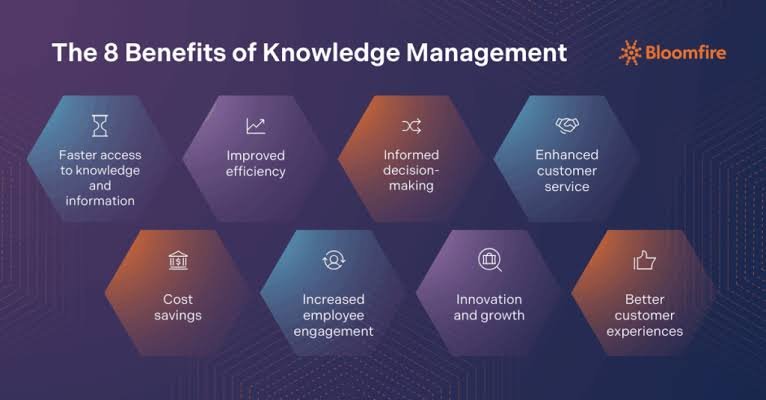
The importance of Knowledge Systems has increased because modern organizations generate huge amounts of information every day. Without proper management, valuable knowledge can become difficult to access or completely lost.
Knowledge Systems help organizations by:
1. Improving Decision Making
One of the biggest advantages of Knowledge Systems is better decision-making. These systems analyze large amounts of information and provide insights that help people make informed choices.
For example, a company can use a Knowledge System to study market trends, customer behavior, and business performance before launching a new product.
2. Preserving Expert Knowledge
Many organizations depend on experienced employees who have years of valuable knowledge. When these employees retire or leave, important expertise may disappear.
Knowledge Systems help capture and preserve this knowledge so that future employees can benefit from it.
3. Increasing Efficiency
Knowledge Systems reduce the time required to search for information. Instead of manually checking thousands of documents, users can quickly access organized knowledge through intelligent systems.
4. Supporting Innovation
By connecting different sources of information, Knowledge Systems help researchers and businesses discover new ideas and create innovative solutions.
History and Evolution of Knowledge Systems
The development of Knowledge Systems has a long history that started with the human desire to organize and use knowledge effectively. Before computers existed, humans stored knowledge through books, documents, libraries, and educational systems. Although these methods helped preserve information, accessing and processing large amounts of knowledge was often difficult.
With the invention of computers, researchers began exploring ways to store information digitally. Early computer systems mainly focused on data storage and calculations. However, scientists soon realized that computers could do more than store data—they could also help represent knowledge and solve problems.
During the 1950s and 1960s, the field of Artificial Intelligence began developing. Researchers started creating systems that could imitate human reasoning. These early experiments led to the creation of expert systems, which became one of the first forms of Knowledge Systems.
Expert systems were designed to solve specific problems by using a collection of rules and expert knowledge. They were commonly used in areas such as medicine, engineering, and business analysis.
In the 1980s and 1990s, improvements in computing power allowed Knowledge Systems to become more advanced. Organizations started using knowledge management techniques to collect, organize, and share internal knowledge.
The growth of the internet created another major change. Information became available on a global scale, creating the need for smarter systems that could understand, organize, and retrieve knowledge efficiently.
Today, modern Knowledge Systems are powered by Artificial Intelligence, Machine Learning, cloud computing, and advanced data technologies. They can learn from new information, identify patterns, and provide intelligent recommendations.
The evolution of Knowledge Systems shows how technology has moved from simple information storage toward intelligent knowledge processing.
How Knowledge Systems Work
A Knowledge System works by collecting information, converting it into structured knowledge, processing it through intelligent methods, and providing useful results to users.
The working process of a Knowledge System usually includes several important steps:
1. Knowledge Acquisition
The first step is collecting knowledge from different sources. Knowledge can come from:
- Human experts
- Research papers
- Databases
- Websites
- Documents
- Sensors
- Digital platforms
The system gathers information and prepares it for processing.
For example, a medical Knowledge System may collect information from doctors, medical journals, patient records, and healthcare databases.
2. Knowledge Representation
After collecting information, the system needs to organize knowledge in a way that computers can understand.
Knowledge representation is the process of converting information into structured formats.
Common methods of knowledge representation include:
Semantic Networks
Semantic networks show relationships between different concepts. They help systems understand connections between ideas.
For example:
Human → Has → Brain
Brain → Controls → Body
This structure helps computers understand relationships between objects.
Ontologies
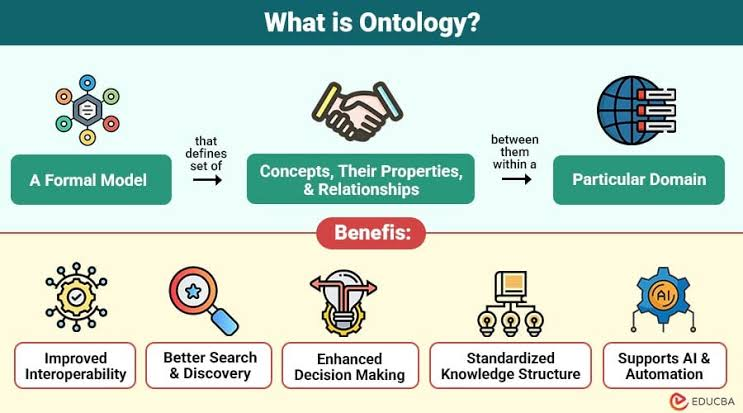
Ontologies define concepts, categories, and relationships within a specific field. They are widely used in Artificial Intelligence applications.
For example, a healthcare ontology may define relationships between diseases, symptoms, treatments, and medicines.
Rules and Logic
Many Knowledge Systems use rules to make decisions.
Example:
IF a patient has specific symptoms
THEN suggest possible medical conditions.
These rules help systems provide logical conclusions.
Main Components of Knowledge Systems
A Knowledge System consists of several important components that work together to manage and use knowledge effectively.
1. Knowledge Base
The knowledge base is the central storage area of a Knowledge System. It contains information, facts, rules, and relationships.
Unlike ordinary data storage, a knowledge base focuses on meaningful information that can be used for reasoning and decision-making.
A knowledge base may include:
- Expert knowledge
- Historical information
- Research data
- Business information
- User experiences
2. Inference Engine
The inference engine is the reasoning part of a Knowledge System. It analyzes stored knowledge and creates conclusions.
It works by applying rules and logical processes to available information.
For example:
A customer support Knowledge System can analyze a user’s problem and identify the most suitable solution based on previous knowledge.
3. User Interface
The user interface allows people to interact with the Knowledge System.
A good interface makes it easy for users to:
- Search information
- Ask questions
- Receive recommendations
- Access reports
- Make decisions
Modern systems often use voice assistants and natural language interfaces to make communication easier.
4. Knowledge Acquisition Tools
Knowledge acquisition tools help collect new information and update the system.
These tools may include:
- Data collection software
- Machine learning algorithms
- Expert interviews
- Automated information extraction systems
Continuous updates help Knowledge Systems remain accurate and useful.
Types of Knowledge Systems
Knowledge Systems can be classified into different categories depending on their purpose and technology.
1. Expert Systems
Expert Systems are designed to imitate the decision-making ability of human specialists.
They use stored expert knowledge and rules to solve specific problems.
Examples:
- Medical diagnosis systems
- Financial advisory systems
- Technical troubleshooting systems
2. Knowledge Management Systems
Knowledge Management Systems help organizations collect, store, and share internal knowledge.
Companies use these systems to improve teamwork and maintain important information.
Examples include:
- Employee knowledge platforms
- Document management systems
- Internal company databases
3. Artificial Intelligence Knowledge Systems
AI-based Knowledge Systems use advanced algorithms to understand and process complex information.
They can learn from data and improve their performance over time.
Examples:
- AI assistants
- Recommendation systems
- Smart search engines
4. Decision Support Systems
Decision Support Systems provide information and analysis to help users make better decisions.
They are commonly used in:
- Business planning
- Healthcare
- Finance
- Government management
The Growing Role of Knowledge Systems
Knowledge Systems are becoming increasingly important because organizations need faster and smarter ways to manage information. As the amount of digital information continues to increase, traditional methods are no longer enough.
Modern Knowledge Systems help transform large amounts of data into valuable knowledge. They connect information, improve understanding, and support intelligent decision-making.
From improving healthcare services to helping businesses compete in global markets, Knowledge Systems are becoming an essential part of modern technology.
Frequently Asked Questions (FAQs) About Knowledge Systems
1. What are Knowledge Systems?
Knowledge Systems are intelligent systems that collect, organize, store, and process information to create useful knowledge. They help users make better decisions by using Artificial Intelligence, data analysis, and reasoning techniques.
2. How do Knowledge Systems work?
Knowledge Systems work by collecting information from different sources, storing it in a knowledge base, analyzing it through reasoning methods, and providing meaningful results or recommendations to users.
3. What are the main components of Knowledge Systems?
The main components of Knowledge Systems include a knowledge base, inference engine, user interface, and knowledge acquisition tools. These components work together to manage and apply knowledge effectively.
4. Why are Knowledge Systems important?
Knowledge Systems are important because they help organizations manage large amounts of information, improve decision-making, save time, preserve expert knowledge, and support innovation.
5. How are Knowledge Systems used in Artificial Intelligence?
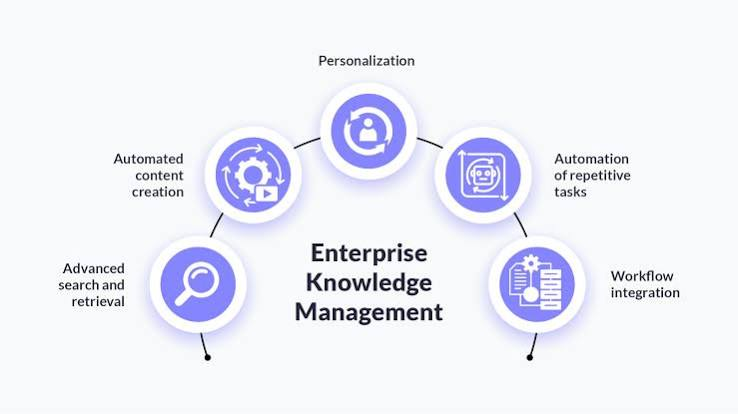
Knowledge Systems are a major part of Artificial Intelligence because they allow machines to understand information, learn from data, solve problems, and provide intelligent solutions.
Conclusion
Knowledge Systems have become an essential technology in the modern digital world. They help transform large amounts of information into meaningful knowledge that supports better decisions and smarter solutions. By combining Artificial Intelligence, Machine Learning, and advanced data management techniques, Knowledge Systems allow organizations to improve efficiency, preserve valuable expertise, and create innovative opportunities.
From healthcare and education to business and research, these systems are changing the way people access and use knowledge. As technology continues to develop, Knowledge Systems will play an even greater role in building intelligent, connected, and knowledge-driven societies.