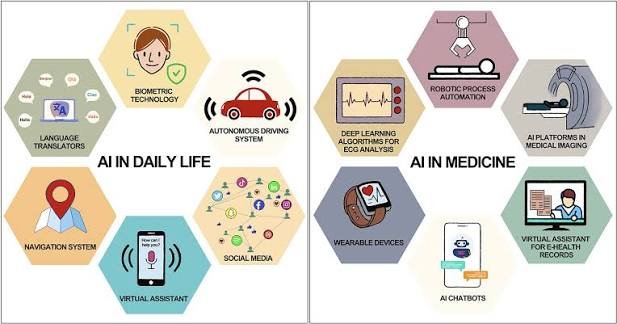
Artificial intelligence is changing the way many industries operate, and healthcare is one of the most important areas being influenced by this technology. AI Healthcare refers to the use of artificial intelligence, machine learning, data analysis, computer vision, and related technologies to support healthcare professionals and improve patient care.
Healthcare has always depended on information. Doctors, nurses, researchers, and other professionals need to understand large amounts of medical information before making decisions. Modern AI systems can help process some of this information quickly, identify patterns, and provide useful insights.
From medical imaging and drug research to virtual assistants and administrative tasks, artificial intelligence has a growing number of applications in healthcare. However, AI is generally most useful when it supports qualified healthcare professionals rather than attempting to replace human expertise.
What Is AI Healthcare?
AI Healthcare describes the application of artificial intelligence technologies to healthcare-related activities. These technologies can analyze information, recognize patterns, make predictions, and assist with specific tasks.
For example, an AI system may analyze a medical image and highlight an area that deserves further examination. Another system may help organize patient information or identify patterns in large research datasets.
Machine learning is an important part of AI Healthcare. Machine learning systems can learn patterns from large datasets and use those patterns to produce predictions or classifications.
Natural language processing is another useful technology. It allows computers to process and understand human language, making it possible to develop systems that can work with clinical notes, medical documents, and patient communications.
How AI Is Used in Healthcare
Artificial intelligence has many potential applications across the healthcare industry.
Medical Imaging
Medical imaging is one of the most widely discussed applications of artificial intelligence in medicine. Doctors use technologies such as X-rays, CT scans, MRIs, and ultrasound to examine different parts of the body.
AI systems can analyze medical images and identify patterns that may be difficult or time-consuming to detect manually. In some cases, these systems can help healthcare professionals identify suspicious areas and prioritize images for further review.
AI does not automatically mean that a computer makes the final diagnosis. Instead, it can act as an additional tool that supports trained professionals.
Drug Discovery
Developing a new medicine can take many years and requires extensive research. Researchers need to study potential compounds, understand biological processes, evaluate safety, and conduct clinical trials.
AI can assist researchers by analyzing large datasets and identifying relationships that may otherwise take considerable time to discover. Machine learning can be used to examine molecular structures, predict certain properties, and help researchers prioritize promising candidates for further investigation.
This does not eliminate the need for laboratory research and clinical testing. Instead, AI can potentially help researchers work more efficiently during parts of the discovery process.
Personalized Healthcare
Every patient is different. Age, lifestyle, genetics, medical history, environment, and other factors can influence health outcomes.
AI can help analyze large amounts of patient information to identify patterns and support more personalized approaches to healthcare. In the future, increasingly sophisticated systems may help healthcare professionals select treatment strategies based on individual patient characteristics.
Personalized healthcare requires careful handling of sensitive information, strong privacy protections, and appropriate clinical oversight.
Virtual Health Assistants
AI-powered virtual assistants can help patients and healthcare organizations with certain routine tasks.
For example, a virtual assistant may provide general health information, help users find appropriate resources, answer frequently asked questions, or assist with appointment-related communication.
These systems can be convenient, but they should not be treated as a replacement for professional medical advice. A person’s symptoms can have many possible causes, and serious health concerns require evaluation by an appropriate healthcare professional.
Administrative Automation
Healthcare organizations handle large amounts of administrative work. Scheduling, documentation, billing, data entry, and communication can consume significant amounts of staff time.
AI and automation tools can assist with some repetitive administrative activities. By reducing manual work, these technologies may allow healthcare workers to spend more time on patient-facing responsibilities.
The quality of the results depends on how systems are designed, implemented, and monitored. Human review remains important for tasks involving sensitive information or significant consequences.
Benefits of AI Healthcare
AI can offer several potential benefits when it is developed and used responsibly.
One major benefit is efficiency. Computers can process large datasets much faster than humans in many situations. This can help researchers and healthcare organizations handle information more efficiently.
Another potential benefit is improved consistency. An AI system can apply the same programmed process to large numbers of cases. This may be useful in areas such as image analysis and data processing.
AI can also support early detection in certain applications. When trained and validated appropriately, machine learning systems may identify patterns associated with particular medical conditions and bring them to a professional’s attention.
Automation can also reduce repetitive administrative work. This may improve workflows and give healthcare professionals more time for tasks that require communication, empathy, and judgment.
Challenges of AI in Healthcare
Although AI has significant potential, it also comes with important challenges.
Data Privacy
Healthcare information is highly sensitive. Medical records can contain personal, financial, genetic, and other private information.
Organizations using AI must take strong steps to protect patient data. Secure systems, appropriate access controls, careful data management, and compliance with applicable laws and regulations are essential.
Accuracy and Reliability
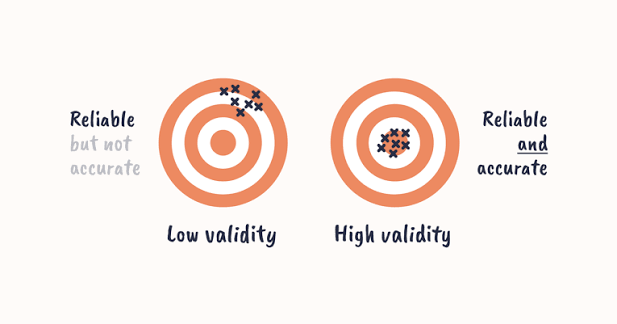
An AI system can make mistakes. A model that performs well in one environment may not perform equally well with different populations, equipment, or data.
For this reason, healthcare AI systems need appropriate testing, validation, monitoring, and human oversight. An impressive technical demonstration is not enough to prove that a system is safe for real-world medical use.
Bias
AI systems learn from data. If training data is incomplete or does not adequately represent different populations, an AI system may produce less reliable results for certain groups.
Reducing bias requires careful dataset design, testing across relevant populations, continuous monitoring, and responsible development practices.
Human Trust
Healthcare involves more than data and predictions. Patients often need empathy, communication, reassurance, and personal attention.
If people do not understand how an AI system reaches its conclusions, they may find it difficult to trust its recommendations. Healthcare organizations therefore need to communicate clearly about what AI systems can and cannot do.
AI Healthcare and Doctors
One common question is whether artificial intelligence will replace doctors. In most practical healthcare settings, AI is better understood as a tool that can assist professionals.
Doctors bring years of education, clinical experience, communication skills, and professional judgment. AI can process information and identify patterns, but medical care involves complex decisions that often require understanding a patient’s individual circumstances.
The strongest approach may be collaboration between humans and intelligent systems. AI can handle certain data-heavy or repetitive tasks, while healthcare professionals remain responsible for clinical decisions and patient relationships.
The Future of AI Healthcare
The future of AI Healthcare is likely to involve deeper integration between intelligent software, medical devices, electronic health records, research systems, and digital health platforms.
AI may become increasingly useful for analyzing medical images, monitoring patients, supporting research, organizing information, and improving healthcare operations.
Wearable devices could also contribute to this development by continuously collecting information such as activity levels, heart rate, and other measurements. When combined with appropriate analytical systems, such information may help professionals understand changes over time.
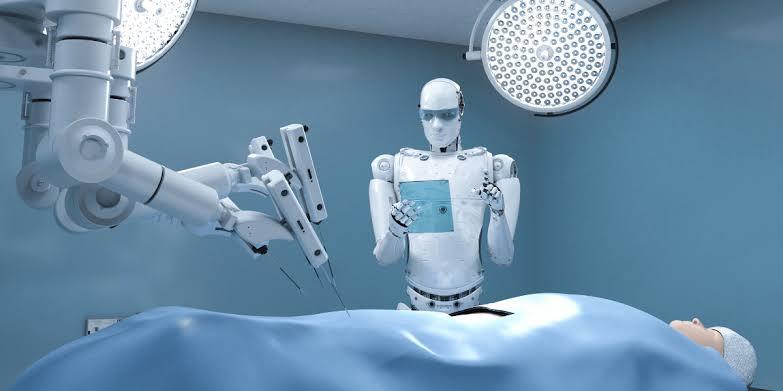
Robotics is another area connected to AI Healthcare. Intelligent robotic systems may support certain medical procedures, rehabilitation programs, logistics, and patient assistance.
However, future progress will depend not only on technological innovation but also on safety, regulation, privacy, transparency, affordability, and public trust.
How Patients Can Benefit From AI
Patients may benefit from AI in several ways. Faster analysis of certain types of information can potentially support more efficient healthcare services. Digital tools may also make it easier to access general information and communicate with healthcare organizations.
For patients with long-term health needs, technology may help healthcare teams monitor relevant information and identify changes that deserve attention.
However, patients should remember that online AI tools are not a substitute for professional medical care. AI-generated information can be incomplete or incorrect, and symptoms should not be self-diagnosed solely through an automated system.
Frequently Asked Questions About AI Healthcare
1. What is AI Healthcare?
AI Healthcare refers to the use of artificial intelligence, machine learning, and related technologies to support healthcare professionals, analyze medical information, and improve healthcare services.
2. How is AI used in healthcare?
AI is used in medical imaging, drug discovery, patient monitoring, healthcare research, administrative automation, virtual assistants, and data analysis.
3. Can AI replace doctors?
AI is generally designed to support doctors rather than replace them. Healthcare professionals provide clinical judgment, experience, communication, and human care that AI cannot fully replicate.
4. What are the benefits of AI Healthcare?
AI can help process large amounts of information, automate repetitive tasks, support medical research, improve certain workflows, and potentially assist with the early identification of specific patterns.
5. Is AI Healthcare safe?
AI Healthcare can be useful when properly developed, tested, validated, and monitored. Human oversight, data security, and appropriate clinical evaluation are important for safe implementation.
6. How does AI help with medical diagnosis?
AI can analyze certain types of medical data, including medical images, and identify patterns that may require further review by qualified healthcare professionals.
7. Can AI help discover new medicines?
Yes. AI can analyze large datasets and help researchers identify promising compounds, study molecular properties, and prioritize potential candidates for further research and testing.
8. How does AI protect patient information?
Healthcare organizations need to use appropriate security measures, access controls, data management practices, and applicable privacy requirements to protect sensitive patient information.
9. What are the challenges of AI Healthcare?
Major challenges include data privacy, accuracy, algorithmic bias, cybersecurity, regulatory requirements, implementation costs, and maintaining appropriate human oversight.
10. What is the future of AI Healthcare?
The future may include more advanced medical analysis, personalized healthcare tools, intelligent monitoring systems, AI-assisted research, automated administrative processes, and greater collaboration between healthcare professionals and AI systems.
Conclusion
AI Healthcare is becoming an important part of the conversation about the future of medicine. Artificial intelligence can help analyze information, support medical imaging, assist researchers, automate administrative tasks, and provide useful digital tools for patients and healthcare professionals.
At the same time, healthcare AI must be developed carefully. Privacy, accuracy, bias, safety, transparency, and human oversight are essential considerations.
The future is unlikely to be about simply replacing healthcare professionals with machines. Instead, the greatest opportunity may come from combining the strengths of humans and artificial intelligence. Doctors and other healthcare workers can provide experience, empathy, and judgment, while AI can help process information and perform certain complex or repetitive tasks.
As the technology continues to develop, responsible use will be just as important as technical innovation. When implemented thoughtfully, AI Healthcare has the potential to support more efficient research, better healthcare workflows, and improved tools for patients and medical professionals.