Introduction
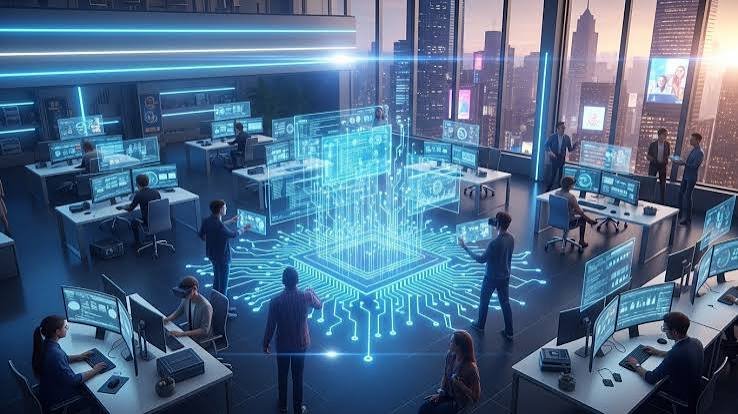
Technology has changed the way humans live, work, and communicate. Among the most powerful developments of modern technology, the concept of an Intelligent Machine has become one of the most important innovations. Intelligent machines are systems designed to understand information, learn from experience, make decisions, and perform tasks that normally require human intelligence.
From smart assistants and self-driving vehicles to advanced industrial robots and medical systems, intelligent machines are becoming an essential part of everyday life. These machines combine artificial intelligence, data processing, automation, and learning abilities to provide faster and more accurate solutions.
The rise of intelligent machines is not only transforming businesses but also changing how people interact with technology. Companies, researchers, and industries around the world are investing heavily in creating machines that can think, analyze, and improve themselves over time.
In this article, we will explore what an intelligent machine is, how it works, its history, applications, benefits, challenges, and how it may shape the future of humanity.
What Is an Intelligent Machine?
An Intelligent Machine is a computer-based system or device that can perform tasks by using artificial intelligence and advanced algorithms. Unlike traditional machines that only follow fixed instructions, intelligent machines can analyze situations, recognize patterns, learn from data, and make independent decisions.
These machines are designed to imitate certain abilities of human intelligence, including:
- Learning from information
- Understanding language
- Recognizing images and sounds
- Solving problems
- Making predictions
- Improving performance over time
A simple machine may perform one specific task repeatedly, but an intelligent machine can adapt to new situations and become more efficient through experience.
For example, a normal calculator can only perform calculations based on user input. However, an intelligent financial system can analyze spending habits, predict future expenses, and provide personalized recommendations.
How Does an Intelligent Machine Work?
An intelligent machine works through a combination of different technologies. These technologies allow machines to collect information, process data, and produce useful results.
1. Artificial Intelligence
Artificial intelligence is the foundation of intelligent machines. AI enables machines to simulate human thinking abilities. It allows computers to identify patterns, understand information, and make decisions.
AI systems use complex algorithms that help machines solve problems without requiring constant human instructions.
2. Machine Learning
Machine learning is an important part of intelligent machines. It allows systems to learn from data and improve their performance automatically.
For example, online shopping platforms use machine learning to understand customer preferences and suggest products based on previous activities.
The more data a machine receives, the better it can become at recognizing patterns and making accurate predictions.
3. Data Processing
Data is the fuel of every intelligent machine. These systems collect large amounts of information through sensors, software, cameras, and other sources.
After collecting data, the machine processes and analyzes it to identify useful information. This process helps the machine understand situations and provide appropriate responses.
4. Neural Networks
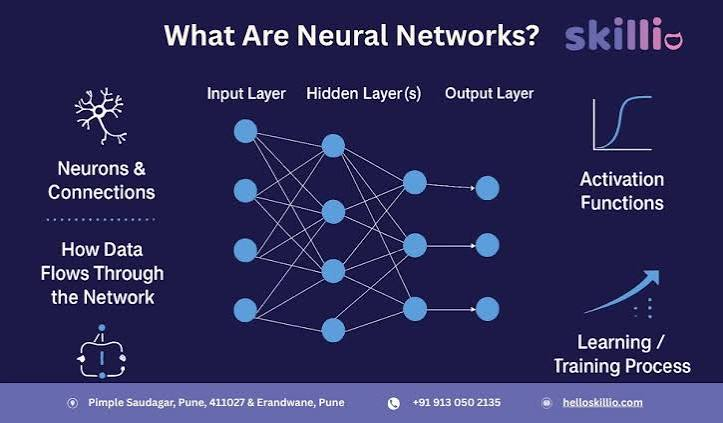
Neural networks are computer systems inspired by the human brain. They contain connected layers that help machines recognize complex patterns.
Neural networks are commonly used in:
- Image recognition
- Voice assistants
- Medical diagnosis
- Language translation
- Autonomous vehicles
They allow intelligent machines to perform tasks that were previously difficult for computers.
History of Intelligent Machines
The idea of creating intelligent machines has existed for many decades. Early scientists and researchers dreamed of building computers that could think and solve problems like humans.
In the twentieth century, computer scientists began developing artificial intelligence theories. The development of powerful computers and large amounts of digital data accelerated AI research.
Early intelligent systems were limited because computers had less processing power and smaller data resources. However, modern technology has allowed machines to become faster, smarter, and more capable.
Today, intelligent machines are used in almost every major industry, including healthcare, education, transportation, manufacturing, and communication.
Types of Intelligent Machines
Intelligent machines come in many different forms depending on their purpose and design.
Smart Robots
Smart robots are one of the most common examples of intelligent machines. They can perform physical tasks, interact with environments, and complete complex operations.
Industries use smart robots for:
- Manufacturing
- Packaging
- Healthcare assistance
- Space exploration
- Dangerous tasks
Virtual Assistants

Virtual assistants are intelligent software systems that understand human commands and provide helpful responses.
Examples include voice-based assistants that can:
- Answer questions
- Set reminders
- Control smart devices
- Provide information
These systems use natural language processing to communicate with humans.
Autonomous Vehicles
Self-driving cars are another example of intelligent machines. They use cameras, sensors, and AI technology to understand roads, identify objects, and make driving decisions.
Autonomous vehicles aim to improve transportation safety and reduce human errors.
Intelligent Healthcare Systems
Healthcare is one of the fields where intelligent machines are making significant improvements.
AI-powered medical systems can help doctors by:
- Analyzing medical images
- Detecting diseases
- Predicting health risks
- Managing patient information
These technologies support medical professionals and improve healthcare services.
Importance of Intelligent Machines
Intelligent machines are important because they help humans complete tasks more efficiently and accurately. They can process huge amounts of information in a short time and provide solutions to complex problems.
Some major advantages include:
Increased Productivity
Intelligent machines can perform repetitive tasks quickly and consistently. This allows businesses to save time and improve productivity.
Better Decision Making
By analyzing large amounts of data, intelligent machines can provide valuable insights that help people make better decisions.
Reduced Human Errors
Machines can perform tasks with high accuracy, reducing mistakes caused by fatigue or human limitations.
Innovation and Development
Intelligent machines encourage new inventions and create opportunities for scientific and technological progress.
Intelligent Machine Applications in Modern Life and Industries
Introduction to Intelligent Machine Applications
The use of an Intelligent Machine is expanding rapidly across different areas of life. From personal devices to large industrial systems, intelligent machines are helping humans complete tasks faster, safer, and more efficiently.
Modern industries are adopting intelligent machines because they can analyze information, learn from experiences, and perform complicated tasks with minimal human involvement. These technologies are not only improving existing systems but also creating completely new opportunities.
Intelligent Machines in Healthcare
Healthcare is one of the most important fields benefiting from intelligent machine technology. Medical professionals are using AI-powered systems to improve diagnosis, treatment planning, and patient care.
Disease Detection and Diagnosis
Intelligent machines can analyze medical information such as:
- X-ray images
- MRI scans
- Blood reports
- Patient records
These systems can identify patterns that may be difficult for humans to notice. Early detection of diseases can help doctors provide faster and more effective treatment.
Robotic Surgery
Advanced medical robots are helping surgeons perform complex operations with greater accuracy. These intelligent machines can support doctors by providing precise movements and reducing the possibility of mistakes.
Personalized Healthcare
Every person has different health needs. Intelligent machines can analyze individual health data and help create personalized treatment plans based on a patient’s condition.
Intelligent Machines in Education
Education is also experiencing major changes because of intelligent machine technology. These systems are helping students and teachers create better learning experiences.
Smart Learning Platforms
Intelligent educational systems can understand student performance and provide personalized learning materials.
For example, a learning platform can identify areas where a student needs improvement and suggest suitable exercises.
Automated Assessment
Teachers can use intelligent machines to evaluate assignments, analyze results, and track student progress.
This saves time and allows educators to focus more on teaching and student support.
Virtual Teachers and Assistants
AI-powered educational assistants can answer questions, explain concepts, and provide learning support at any time.
Intelligent Machines in Manufacturing
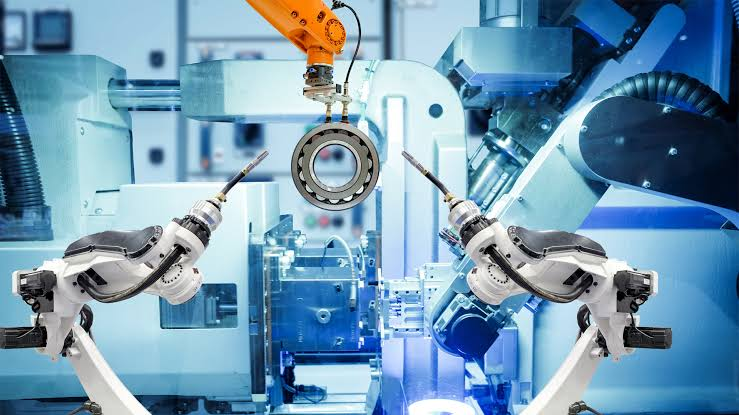
Manufacturing is one of the industries where intelligent machines have created a major transformation.
Smart Factories
Modern factories use intelligent machines connected with sensors and computer systems. These smart factories can monitor production, detect problems, and improve efficiency.
Industrial Robots
Industrial robots can perform tasks such as:
- Assembly
- Welding
- Packaging
- Quality inspection
These machines increase production speed and maintain consistent quality.
Predictive Maintenance
Intelligent machines can monitor equipment conditions and predict when maintenance is required. This helps companies prevent unexpected failures and reduce costs.
Intelligent Machines in Transportation
Transportation has changed significantly with the introduction of intelligent technology.
Self-Driving Vehicles
Autonomous vehicles use intelligent machines to understand surroundings and make driving decisions. They use:
- Cameras
- Sensors
- Artificial intelligence
- Navigation systems
The goal of self-driving technology is to create safer and more efficient transportation.
Smart Traffic Management
Cities are using intelligent systems to manage traffic flow. These machines analyze traffic patterns and help reduce congestion.
Aviation Technology
Airlines and airports use intelligent machines for:
- Flight planning
- Safety monitoring
- Passenger services
- Equipment management
Intelligent Machines in Business
Businesses around the world are using intelligent machines to improve operations and customer experiences.
Customer Service Automation
Many companies use AI chat systems to answer customer questions quickly. These intelligent machines can provide support 24 hours a day.
Data Analysis
Businesses collect large amounts of information. Intelligent machines can analyze this data and discover useful trends.
Companies use these insights for:
- Marketing strategies
- Customer understanding
- Financial planning
- Business decisions
Fraud Detection
Financial organizations use intelligent systems to identify suspicious activities and prevent fraud.
These machines can analyze transactions and detect unusual patterns faster than traditional methods.
Intelligent Machines in Agriculture
Agriculture is another sector where intelligent machines are creating positive changes.
Smart Farming
Farmers use intelligent technology to monitor:
- Soil conditions
- Weather patterns
- Crop health
- Water usage
This helps increase productivity while reducing waste.
Agricultural Robots
Robots equipped with intelligent systems can perform tasks such as:
- Planting seeds
- Removing weeds
- Harvesting crops
- Monitoring fields
Crop Prediction
Intelligent machines can analyze environmental data and help farmers predict crop production.
Advantages of Intelligent Machines
Intelligent machines provide many benefits in different areas of life.
1. Faster Performance
Machines can process information much faster than humans. They can complete complex calculations and analyze large amounts of data within seconds.
2. Improved Accuracy
Intelligent machines reduce errors by using advanced algorithms and precise calculations.
3. 24/7 Availability
Unlike humans, machines can operate continuously without needing breaks.
4. Better Safety

Intelligent machines can perform dangerous tasks in environments where human safety may be at risk.
Examples include:
- Space exploration
- Deep-sea research
- Hazardous industrial work
5. Cost Reduction
Businesses can reduce operational costs by automating repetitive processes and improving efficiency.
Challenges of Intelligent Machines
Although intelligent machines offer many advantages, they also create certain challenges.
Job Changes
Automation may change the demand for some traditional jobs. Many workers may need new skills to work alongside advanced technologies.
Privacy Concerns
Intelligent machines often require large amounts of data. Protecting personal information is an important challenge.
High Development Costs
Creating advanced intelligent machines requires significant investment in research, software, and infrastructure.
Ethical Issues
Questions about decision-making, responsibility, and control are important when developing intelligent systems.
The Future of Intelligent Machines
The future of intelligent machines is expected to bring even more advanced technology. Researchers are working on creating systems that can understand environments better, communicate naturally, and solve more complex problems.
Future intelligent machines may become common in:
- Smart homes
- Advanced healthcare
- Space exploration
- Personal assistance
- Environmental protection
As technology improves, humans and intelligent machines will increasingly work together to solve global challenges.
Frequently Asked Questions (FAQs) About Intelligent Machines
1. What is an Intelligent Machine?
An Intelligent Machine is a computer-based system that can perform tasks requiring human-like intelligence. It can learn from data, recognize patterns, solve problems, and make decisions using artificial intelligence and advanced algorithms.
2. How does an Intelligent Machine work?
An intelligent machine works by using technologies such as artificial intelligence, machine learning, neural networks, and data processing. It collects information, analyzes data, learns from experiences, and provides accurate results or actions.
3. What are some examples of Intelligent Machines?
Common examples of intelligent machines include self-driving cars, smart robots, virtual assistants, AI-powered healthcare systems, smart home devices, and automated industrial machines.
4. What is the difference between a normal machine and an Intelligent Machine?
A normal machine follows fixed instructions and performs specific tasks. An intelligent machine can analyze situations, learn from data, adapt to changes, and improve its performance over time.
5. How are Intelligent Machines used in daily life?
Intelligent machines are used in many areas of daily life, including smartphones, voice assistants, online recommendations, smart appliances, navigation systems, and automated customer service platforms.
6. What are the benefits of Intelligent Machines?
Intelligent machines provide many benefits, including faster performance, improved accuracy, reduced human errors, increased productivity, better decision-making, and the ability to complete dangerous tasks safely.
7. Can Intelligent Machines replace humans?
Intelligent machines can automate many tasks, but they are designed to support humans rather than completely replace them. Human creativity, emotions, critical thinking, and decision-making skills remain important.
8. What technologies are used in Intelligent Machines?
Intelligent machines use various technologies, including artificial intelligence (AI), machine learning, deep learning, robotics, computer vision, natural language processing, and big data analytics.
9. What are the challenges of Intelligent Machines?
Some challenges of intelligent machines include privacy concerns, high development costs, ethical issues, security risks, and changes in employment due to automation.
10. What is the future of Intelligent Machines?
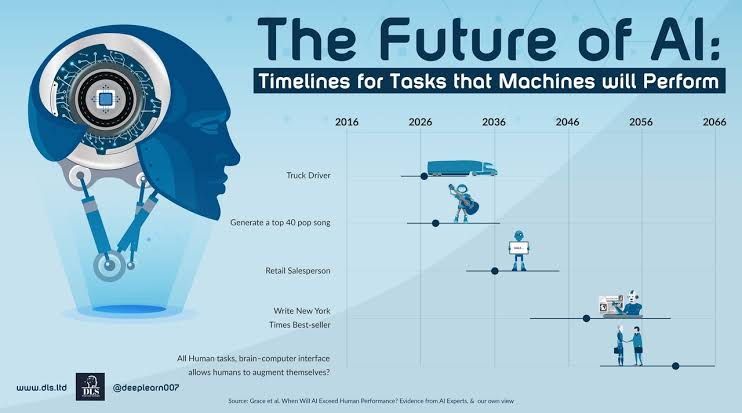
The future of intelligent machines is expected to bring more advanced automation, smarter healthcare systems, autonomous transportation, intelligent robots, and improved human-machine collaboration.
Conclusion
Intelligent Machines are transforming the modern world by improving efficiency, accuracy, and innovation. With the power of artificial intelligence and advanced technology, these machines help humans solve complex problems and create new opportunities. As technology continues to grow, intelligent machines will play an important role in shaping the future.