Introduction
Software development is evolving at an incredible pace. Every year, new technologies, programming tools, and development practices change how applications are built, deployed, and maintained. From Artificial Intelligence (AI) and cloud computing to cybersecurity and automation, software developers must continuously adapt to stay competitive in today’s rapidly changing technology landscape.
In 2026, businesses across every industry are investing in digital transformation to improve efficiency, enhance customer experiences, and drive innovation. As a result, software developers with knowledge of emerging technologies are in greater demand than ever before.
Whether you’re a beginner planning your career or an experienced developer looking to stay ahead, understanding the latest software development trends can help you prepare for the future.
In this guide, we’ll explore the top software development trends that will shape the future of technology and why they matter for developers, businesses, and organizations.
Why Software Development Continues to Evolve
Technology never stands still.
Modern software must be:
- Faster
- More secure
- Scalable
- Intelligent
- User-friendly
- Cloud-ready
- Easy to maintain
To meet these growing expectations, developers are adopting new programming practices, tools, and technologies.
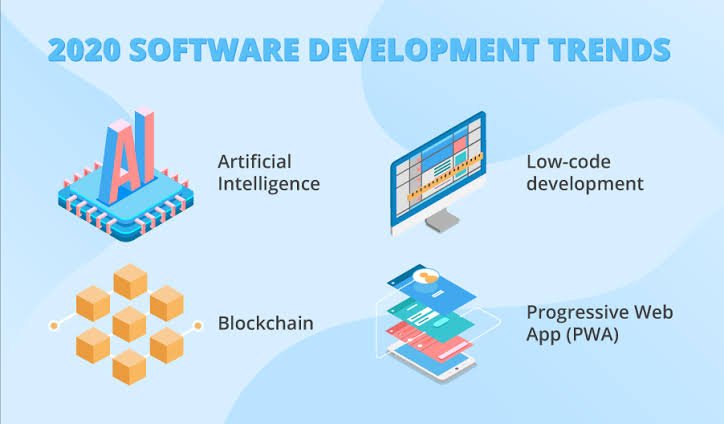
1. Artificial Intelligence (AI) Integration
Artificial Intelligence is transforming software development in many ways.
AI-powered applications can:
- Automate repetitive tasks
- Analyze large datasets
- Generate code suggestions
- Improve customer support
- Detect fraud
- Personalize user experiences
- Enhance decision-making
Developers are increasingly integrating AI features into web, mobile, and enterprise applications.
2. Cloud-Native Development
Cloud computing continues to reshape software architecture.
Modern applications are increasingly designed specifically for cloud environments.
Benefits include:
- Better scalability
- Lower infrastructure costs
- Faster deployment
- Improved availability
- Automatic updates
- Global accessibility
Cloud-native development is becoming the preferred approach for businesses of all sizes.
3. Low-Code and No-Code Platforms
Low-code and no-code platforms allow businesses to build applications with minimal programming.
Advantages include:
- Faster development
- Reduced costs
- Increased productivity
- Easier automation
- Rapid prototyping
While these platforms won’t replace professional developers, they help accelerate software delivery.
4. Cybersecurity First Development
Security is now a core part of software development rather than an afterthought.
Developers are adopting secure coding practices such as:
- Multi-factor authentication
- Data encryption
- Input validation
- Access control
- Secure APIs
- Vulnerability testing
Building secure software is essential as cyber threats continue to grow.
5. DevOps and Automation
DevOps continues to transform software delivery.
Automation now handles many tasks including:
- Code integration
- Application testing
- Deployment
- Monitoring
- Infrastructure management
Benefits include:
- Faster releases
- Improved reliability
- Reduced human error
- Better collaboration
Organizations increasingly rely on DevOps to deliver software efficiently.
6. API-First Development
Modern software applications depend heavily on APIs.
API-first development makes applications easier to:
- Integrate
- Scale
- Maintain
- Extend
This approach supports web apps, mobile apps, cloud platforms, and third-party services.
7. Serverless Computing
Serverless computing allows developers to build applications without managing servers.
Advantages include:
- Automatic scaling
- Lower operational costs
- Faster development
- Reduced maintenance
- Better resource efficiency
Serverless architecture is becoming increasingly popular for cloud-based applications.
8. Progressive Web Applications (PWAs)
Progressive Web Apps combine the advantages of websites and mobile applications.
Benefits include:
- Fast performance
- Offline functionality
- Cross-platform compatibility
- Easy installation
- Lower development costs
Many businesses are investing in PWAs to reach users across multiple devices.
9. Internet of Things (IoT)
The Internet of Things continues connecting software with smart devices.
Applications include:
- Smart homes
- Healthcare monitoring
- Industrial automation
- Connected vehicles
- Wearable technology
Developers with IoT experience will remain highly valuable.
10. Blockchain Technology
Blockchain is expanding beyond cryptocurrencies.
Software developers now use blockchain for:
- Digital identity
- Smart contracts
- Supply chain management
- Secure transactions
- Healthcare records
- Financial services
Its emphasis on transparency and security makes it attractive across industries.
11. Edge Computing
Edge computing processes data closer to users instead of relying entirely on centralized cloud servers.
Benefits include:
- Reduced latency
- Faster processing
- Better performance
- Improved reliability
- Lower bandwidth usage
Edge computing supports applications that require real-time decision-making.
12. Cross-Platform Development
Businesses increasingly want software that works across multiple platforms.
Cross-platform development allows developers to build applications for:
- Windows
- macOS
- Linux
- Android
- iOS
- Web browsers
This approach reduces development time and maintenance costs.
Benefits of Following Software Development Trends
Keeping up with industry trends helps developers:
- Improve career opportunities
- Learn modern technologies
- Build future-ready applications
- Increase productivity
- Stay competitive
- Solve business problems more effectively
Continuous learning is one of the most valuable habits in software development.
Industries Driving Software Innovation
Many industries are leading software development advancements.
Healthcare
- Telemedicine
- AI-assisted diagnosis
- Electronic health records
Finance
- Digital banking
- Fraud detection
- Online payments
Education
- Virtual classrooms
- Learning platforms
- AI tutoring
Retail
- E-commerce
- Personalized shopping
- Inventory automation
Manufacturing
- Smart factories
- Predictive maintenance
- Robotics
Entertainment
- Streaming services
- Online gaming
- Digital media platforms
Skills Developers Should Learn
To stay competitive in 2026 and beyond, software developers should focus on:
- Programming fundamentals
- Cloud Computing
- Artificial Intelligence
- Cybersecurity
- DevOps
- API Development
- Database Management
- Version Control
- Automation
- Problem-solving
Building expertise in these areas can open doors to a wide range of career opportunities.
Common Challenges
As software development evolves, developers must adapt to:
- Rapid technology changes
- Increasing security threats
- Complex cloud environments
- Continuous learning requirements
- Higher user expectations
- Cross-platform compatibility
Developers who embrace change are more likely to succeed.
Frequently Asked Questions
What is the biggest trend in software development?
Artificial Intelligence is one of the most significant trends, influencing everything from coding assistance and automation to intelligent applications and personalized user experiences.
Why is cloud-native development important?
Cloud-native applications offer better scalability, flexibility, reliability, and cost efficiency, making them ideal for modern businesses.
Will low-code platforms replace software developers?
No. Low-code platforms help speed up simple application development, but skilled developers are still needed to build complex, secure, and scalable software solutions.
Is cybersecurity important for software developers?
Yes. Security is a fundamental part of modern software development, and employers increasingly expect developers to understand secure coding practices.
Is software development still a good career in 2026?
Absolutely. Software development remains one of the most in-demand and well-paying careers, with opportunities across nearly every industry.
Conclusion
The future of software development is being shaped by innovation, automation, and emerging technologies that continue to transform how applications are built and delivered. Trends such as Artificial Intelligence, cloud-native development, DevOps, cybersecurity, serverless computing, blockchain, IoT, edge computing, and cross-platform development are redefining the skills developers need to succeed.
For businesses, embracing these technologies means building faster, smarter, and more secure digital products. For developers, staying informed about industry trends and continuously expanding technical skills is the key to long-term career growth.
Technology will continue to evolve, but one thing remains constant: developers who are willing to learn, adapt, and innovate will always be in demand. By understanding these trends and applying them in real-world projects, you can build a successful software development career and help shape the future of technology in 2026 and beyond.