
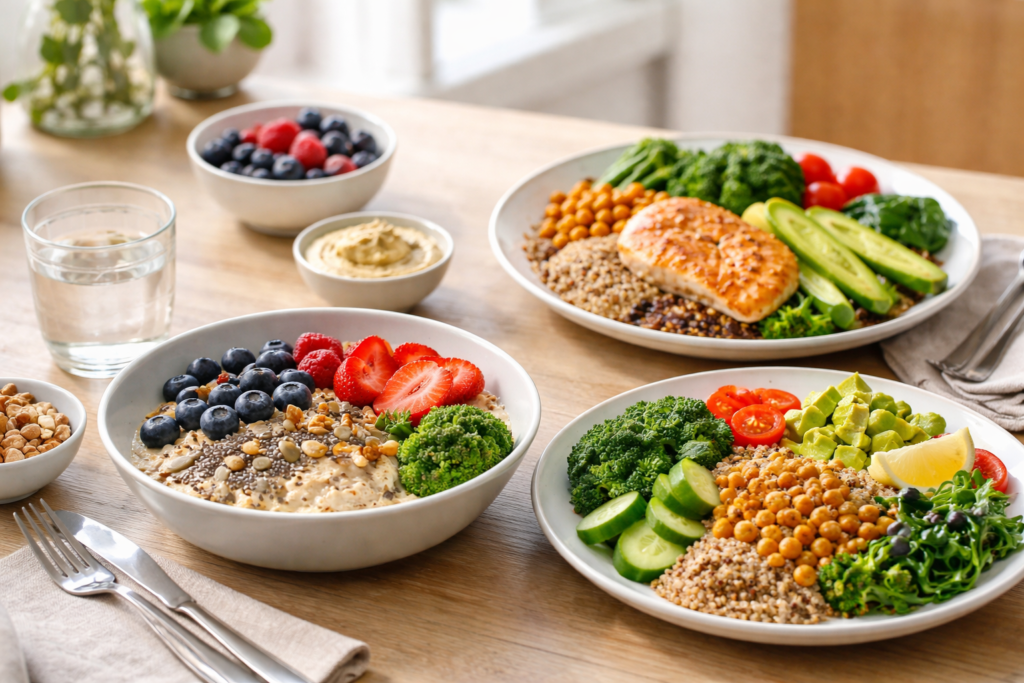

Superfoods is a term used for foods that provide nutrients in high amounts compared to their calorie content. These foods support body processes such as digestion, energy use, immunity response, and cell repair. Superfoods are not a food group or medical category. They are part of regular eating patterns and can fit into daily meals without special rules.
This article explains what superfoods are, how they work, which foods are included, and how to use them in daily eating without confusion or misinformation.
Meaning of Superfoods
Superfoods refers to foods that contain vitamins, minerals, fiber, fats, or plant compounds that support body function. The term does not mean a single food can prevent disease or replace balanced meals. It means certain foods provide higher nutrient density than others.
Superfoods include plant foods and animal foods. They can be fresh, frozen, dried, or cooked depending on use.
Role of Superfoods in Daily Eating
Superfoods support daily nutrient intake when included with other foods. They do not work alone. They function best when meals include carbohydrates, protein sources, fats, and water.
The role of superfoods includes:
- Supporting digestion
- Supporting energy production
- Supporting immune response
- Supporting nutrient balance
Consistency matters more than quantity.
Plant-Based Superfoods
Leafy Greens
Leafy greens provide fiber, vitamins, and minerals. They support digestion and blood health.
Examples include:
- Spinach
- Kale
- Swiss chard
- Collard greens
They can be eaten raw or cooked.
Berries
Berries provide fiber and plant compounds. They support blood sugar balance and digestion.
Examples include:
- Blueberries
- Strawberries
- Raspberries
- Blackberries
They can be added to meals or eaten alone.
Nuts and Seeds
Nuts and seeds provide fats, protein, and minerals. They support energy use and nutrient absorption.
Examples include:
- Almonds
- Walnuts
- Chia seeds
- Flaxseeds
- Pumpkin seeds
Portion control matters due to calorie content.
Legumes
Legumes provide protein, fiber, and minerals. They support digestion and satiety.
Examples include:
- Lentils
- Chickpeas
- Black beans
- Kidney beans
They can replace some animal protein sources.
Whole Grains
Whole grains provide carbohydrates and fiber. They support energy balance and digestion.
Examples include:
- Oats
- Brown rice
- Quinoa
- Barley
Whole grains should replace refined grains when possible.
Animal-Based Superfoods
Fatty Fish
Fatty fish provides protein and fats that support brain and heart function.
Examples include:
- Salmon
- Sardines
- Mackerel
Cooking methods affect nutrient retention.
Eggs
Eggs provide protein, fats, and vitamins. They support muscle repair and hormone production.
Eggs can be prepared in many ways.
Yogurt and Fermented Foods
Fermented foods provide bacteria that support gut health.
Examples include:
- Yogurt
- Kefir
- Sauerkraut
- Kimchi
Sugar content should be checked in packaged products.
Superfoods and Fiber Intake
Fiber supports digestion, stool formation, and blood sugar control. Many superfoods contain fiber.
Fiber sources include:
- Vegetables
- Fruits
- Whole grains
- Legumes
- Seeds
Fiber intake should increase slowly to avoid discomfort.
Superfoods and Micronutrients
Micronutrients include vitamins and minerals. Superfoods often contain these in notable amounts.
Common micronutrients include:
- Iron
- Magnesium
- Calcium
- Potassium
- Zinc
Absorption depends on meal composition.
Superfoods and Antioxidant Compounds
Some superfoods contain plant compounds that help manage oxidative stress. These compounds support cell function.
Sources include:
- Berries
- Green tea
- Dark chocolate
- Certain vegetables
Balance remains important.
Superfoods and Protein Intake
Protein supports muscle repair and immune function. Some superfoods contribute protein.
Protein sources include:
- Eggs
- Fish
- Legumes
- Yogurt
- Seeds
Protein needs vary by body size and activity level.
Superfoods in Meal Planning
Including superfoods in meals does not require complex plans.
Simple approaches include:
- Adding greens to meals
- Using berries in breakfast
- Including legumes in lunch
- Eating fish a few times per week
Planning improves consistency.
Superfoods for Breakfast
Breakfast can include superfoods without effort.
Ideas include:
- Oats with seeds and fruit
- Eggs with vegetables
- Yogurt with berries
Balanced meals support energy use.
Superfoods for Lunch and Dinner
Meals later in the day can include superfoods through simple swaps.
Examples include:
- Legumes instead of refined carbs
- Vegetables added to grains
- Fish as a protein source
Cooking methods matter.
Superfoods and Cooking Methods
Cooking affects nutrient content. Some nutrients increase with heat, while others decrease.
General guidance:
- Steam vegetables when possible
- Avoid excessive frying
- Use water-based cooking methods
Variety reduces nutrient loss.
Superfoods and Portion Size
More does not always mean better. Superfoods still contain calories.
Portion awareness helps maintain balance.
Strategies include:
- Measuring servings
- Eating slowly
- Combining foods
Balance supports long-term habits.
Superfoods and Supplements
Whole foods provide nutrients with fiber and other compounds. Supplements do not replace food.
Supplements may be used when:
- A deficiency exists
- Medical guidance is given
Food remains the base.
Common Myths About Superfoods
Many myths exist around superfoods.
Common misconceptions include:
- One food fixes health issues
- Superfoods replace meals
- Higher cost means better value
Balanced eating matters more.
Superfoods and Weight Control
Superfoods support satiety due to fiber and protein content. They help regulate hunger signals.
Weight control improves when:
- Meals are regular
- Portions are managed
- Liquid calories are limited
No food causes weight change alone.
Superfoods and Digestive Health
Digestive health depends on fiber, hydration, and gut bacteria.
Superfoods that support digestion include:
- Fermented foods
- Vegetables
- Whole grains
- Seeds
Changes should be gradual.
Superfoods on a Budget
Superfoods do not require high cost.
Budget strategies include:
- Buying frozen produce
- Choosing seasonal foods
- Using dry legumes
- Cooking at home
Planning reduces waste.
Superfoods and Daily Habits
Daily habits influence how foods affect the body.
Helpful habits include:
- Regular meals
- Water intake
- Meal preparation
- Mindful eating
Food choices work with lifestyle patterns.
Superfoods Across Life Stages
Nutrient needs change over time.
General guidance:
- Children need variety
- Adults need balance
- Older adults need protein and hydration
Superfoods fit all stages.
Superfoods and Long-Term Health
Long-term health depends on consistent nutrient intake. Superfoods support this when included as part of regular meals.
They support:
- Metabolic function
- Digestive function
- Immune response
- Energy balance
Patterns matter more than trends.
Starting With Superfoods
Starting does not require major change.
Steps include:
- Add one new food weekly
- Replace refined foods
- Plan meals ahead
- Track intake if helpful
Progress builds habits.
Summary
Superfoods are foods that provide nutrients in concentrated amounts. They support daily body function when used as part of balanced eating. They do not replace meals or medical care. Consistent intake, portion awareness, and variety matter most.
Superfoods work best when combined with regular meals, hydration, and daily routines that support health over time.