
Yoga and stretching are practices used by people across regions and cultures. These practices involve movement, breath, and focus. Yoga has roots in ancient systems, while stretching appears in many forms of physical training. Both practices support body use, posture, and routine care. This article explains yoga and stretching, their roles in daily life, methods, safety, structure, and integration into routines. The content is written for readers who search for yoga and stretching information, guidance, and structure.
Meaning of Yoga
Yoga is a system that links movement, breath, and awareness. The practice includes poses, breathing methods, and seated focus. Yoga sessions may involve standing poses, seated poses, floor poses, and rest periods. The goal of yoga practice is balance between body action and breath control. Many people practice yoga at home, in studios, or in group settings.
Yoga traditions include paths that focus on movement, breath, or seated focus. Modern yoga often centers on pose sequences combined with breath timing. Yoga practice can be short or extended, based on schedule and intent.
Meaning of Stretching
Stretching is the act of moving joints and muscles through ranges of motion. Stretching may be done before activity, after activity, or during rest periods. The purpose of stretching is to support joint use, posture, and movement patterns.
Stretching methods include static holds, slow movement, and controlled motion. Stretching appears in sports training, work routines, and daily movement habits. Stretching does not require equipment, though mats or straps may be used.
Difference Between Yoga and Stretching
Yoga includes stretching but also includes breath control and focus. Stretching centers on muscle and joint movement. Yoga sessions often follow a sequence, while stretching may be brief and targeted.
Yoga uses poses that combine strength, balance, and range of motion. Stretching focuses on lengthening muscle groups. Both practices can be used together in one routine.
Role of Breath
Breath plays a role in yoga and stretching. In yoga, breath guides movement and pace. In stretching, breath supports muscle release and control.
Common breath patterns include slow inhalation and slow exhalation. Breath awareness helps maintain rhythm during practice. Breath coordination supports steady movement and reduces tension during holds.
Yoga Poses and Structure
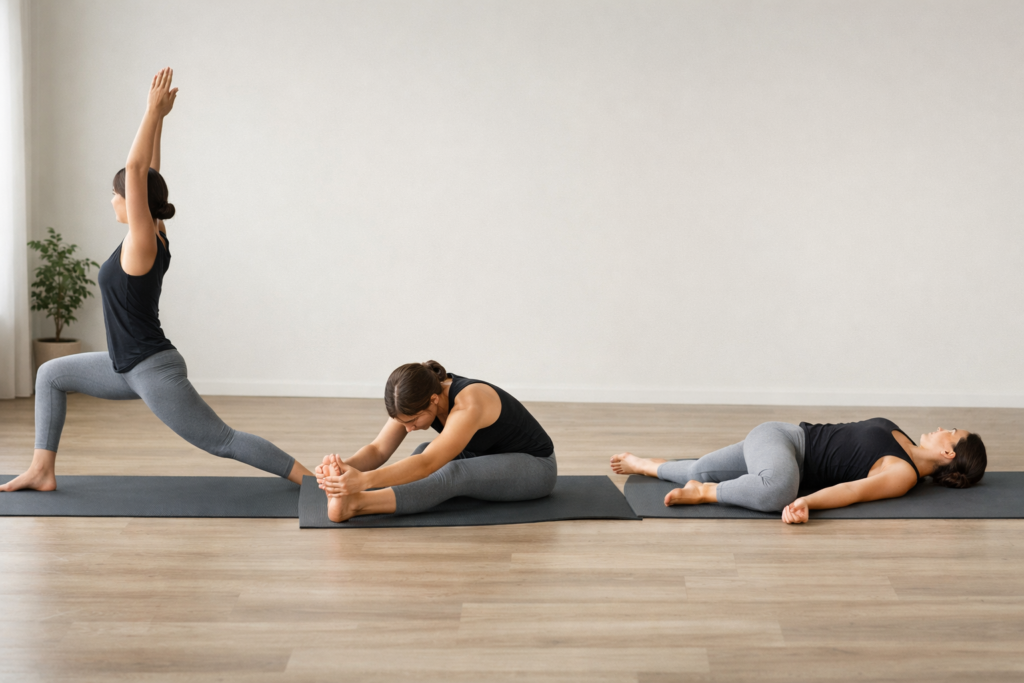
Yoga poses are arranged into sequences. A session may begin with seated focus, followed by warm up movements, standing poses, floor poses, and rest.
Common pose groups include:
- Standing poses
- Forward folds
- Backward bends
- Twists
- Balance poses
- Seated poses
- Rest poses
Each pose involves joint action, muscle engagement, and breath timing. Poses can be modified using blocks, straps, or chairs.
Stretching Methods
Stretching methods vary based on timing and purpose.
Static Stretching
Static stretching involves holding a position for a period of time. The body remains still while muscles lengthen. This method is often used after activity or during rest periods.
Dynamic Stretching
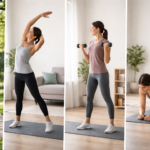
Dynamic stretching involves controlled movement through a range of motion. Movements are repeated in a smooth pattern. This method is often used before activity.
Assisted Stretching
Assisted stretching uses external support such as straps, walls, or partners. Support helps guide range of motion while maintaining control.
Yoga and Stretching in Daily Routine
Yoga and stretching can be included in daily routines. Short sessions may take place in the morning, during breaks, or in the evening. Session length depends on schedule and needs.
A daily routine may include:
- Breath practice
- Joint movement
- Pose sequence
- Stretching holds
- Rest period
Consistency matters more than session length. Regular practice supports movement awareness.
Use in Work Settings
Many work settings involve seated time or repeated motion. Yoga and stretching help counter limited movement patterns. Desk routines may include neck movement, shoulder movement, spine movement, and leg stretches.
Short movement breaks during work hours help maintain posture awareness. Chair based yoga and stretching are common options.
Use in Physical Training
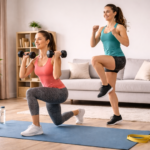
Yoga and stretching are often used alongside training programs. Stretching supports range of motion for joints used in training. Yoga supports balance and controlled movement.
Athletes use stretching before and after training sessions. Yoga sessions may be scheduled on rest days or recovery periods.
Use for Older Adults
Yoga and stretching are used by older adults to support joint movement and balance. Chair yoga and floor supported poses are common options. Stretching routines may focus on hips, spine, shoulders, and ankles.
Practice should respect joint limits and comfort. Support tools help maintain safe alignment.
Use for Beginners
Beginners may start with short sessions and basic poses. Learning breath timing and body awareness is part of early practice. Instruction from guides, videos, or classes helps build understanding.
Stretching for beginners focuses on slow movement and steady holds. Avoid forcing range of motion.
Safety and Awareness
Safety is part of yoga and stretching practice. Movements should remain within personal limits. Pain signals should not be ignored. Warm up movements prepare joints for deeper ranges.
People with injuries or health concerns should seek guidance before starting new routines. Modifications and support tools reduce strain.
Equipment and Space
Yoga and stretching require limited equipment. A mat provides grip and floor support. Blocks, straps, bolsters, and chairs offer assistance.
A quiet space with enough room for movement supports focus. Practice can take place indoors or outdoors.
Yoga Styles Overview
Yoga includes various styles that differ in pace and structure. Some styles focus on flow sequences, while others focus on pose holds or breath work.
Examples include:
- Hatha based practice
- Flow based practice
- Breath focused practice
- Rest focused practice
Choosing a style depends on interest and schedule.
Stretching by Body Area
Stretching routines often target specific areas.
Neck and Shoulders
Neck and shoulder stretches involve gentle movement and holds. These areas often carry tension from daily tasks.
Spine
Spine stretches include forward folds, twists, and extension movements. These support posture awareness.
Hips
Hip stretches involve flexion, rotation, and extension. Many yoga poses include hip movement.
Legs
Leg stretches target hamstrings, calves, and quadriceps. Standing and seated positions are used.
Timing and Duration
Session timing depends on goals and schedule. Short sessions may last ten minutes. Longer sessions may last an hour or more.
Stretch holds often range from twenty seconds to one minute. Yoga poses may be held for several breaths.
Integration With Breath Practice
Breath practice may be done alone or within yoga sessions. Breath patterns support calm focus and steady pacing. Stretching combined with breath helps release tension.
Mental Focus
Yoga includes focus on present moment awareness. Attention is placed on breath, movement, and sensation. Stretching also benefits from focus during holds.
Focus helps reduce distraction and supports consistency.
Online and In Person Practice
Yoga and stretching resources are available online and in person. Videos, apps, and written guides support home practice. Classes offer group guidance and feedback.
Choosing a format depends on access and preference.
Common Myths
Some people believe yoga requires flexibility. Practice adapts to many body types. Stretching does not require advanced range of motion.
Another myth is that yoga replaces all other movement. Yoga and stretching support movement but do not replace all activity types.
Building a Personal Routine
A personal routine starts with clear intent. Choose time, space, and focus areas. Combine yoga poses and stretching methods as needed.
Track practice frequency to build consistency. Adjust routines over time based on response.
Yoga and Stretching for Recovery
Recovery periods benefit from gentle movement. Rest poses, slow stretching, and breath focus support recovery routines. These practices fit between training sessions or during rest days.
Cultural Context
Yoga has historical roots in spiritual systems. Modern practice often focuses on physical movement. Respect for origins and traditions remains part of practice culture.
Stretching appears across cultures in work, sport, and daily life.
Conclusion
Yoga and stretching are accessible practices that support movement, breath, and awareness. They can be adapted to many routines, ages, and settings. Through steady practice, individuals build familiarity with their bodies and movement patterns. Combining yoga and stretching creates a balanced approach to daily movement and routine care.