Introduction
Self-driving cars are changing the way people think about transportation and road safety. These vehicles use advanced technology to travel with little or no human assistance. They combine artificial intelligence, cameras, sensors, and computer systems to understand their surroundings. The main purpose of self-driving cars is to make transportation safer, more convenient, and more efficient. As technology continues to improve, autonomous vehicles may become an important part of everyday life.
1. What Are Self-Driving Cars?
Self-driving cars are vehicles designed to navigate roads and perform driving tasks automatically. They use different technologies to detect nearby vehicles, pedestrians, traffic signals, and road markings. Their onboard computer processes this information and decides how the vehicle should move. Some vehicles offer limited driving automation, while others are designed for more advanced autonomous operation. However, fully autonomous driving in all road conditions is still a developing technology.
2. How Self-Driving Cars Work
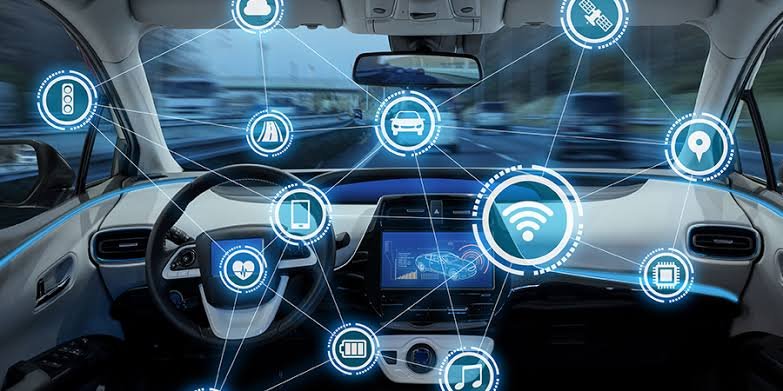
Self-driving cars depend on a combination of hardware and software to operate. Cameras capture images of the road, while radar and other sensors help detect objects and measure distances. Some systems also use lidar, which creates detailed information about the vehicle’s surroundings using laser light. Artificial intelligence analyzes the collected data and helps the vehicle choose appropriate actions. Together, these technologies allow autonomous vehicles to steer, accelerate, brake, and navigate under supported conditions.
3. The Role of Artificial Intelligence
Artificial intelligence plays a major role in the development of self-driving cars. It helps vehicles recognize traffic signs, identify pedestrians, and understand changing road conditions. Machine learning allows driving systems to improve their ability to recognize patterns by learning from large amounts of driving data. AI also helps predict the possible movements of nearby road users. Despite these capabilities, autonomous systems can still make mistakes, especially in unusual or unpredictable situations.
4. Benefits of Self-Driving Cars
One of the main advantages of self-driving cars is their potential to improve road safety. Human errors, including distraction and poor judgment, contribute to many road accidents, so automation may help reduce certain risks. These vehicles could also provide greater mobility for older adults and people with disabilities. In addition, automated driving features may make long journeys less tiring for drivers. However, the actual benefits depend on the reliability of the technology and the conditions in which it operates.
5. Self-Driving Cars and Road Safety
Road safety is one of the most important reasons for developing autonomous vehicles. Self-driving technology can continuously monitor surrounding traffic and respond to certain hazards without the same kinds of human distractions. Emergency braking and obstacle detection systems may help prevent some collisions. Nevertheless, sensors can be affected by heavy rain, fog, poor visibility, or damaged road markings. Safe deployment requires extensive testing, clear operating limits, and effective systems for handling unexpected events.
6. Challenges Facing Self-Driving Cars
Although self-driving cars offer many possibilities, they also face significant challenges. Complex traffic situations, construction zones, unpredictable pedestrians, and unusual weather can make automated driving difficult. Developing reliable software and maintaining accurate sensor performance are also expensive tasks. Another challenge is ensuring that vehicles make safe decisions when several hazards appear at the same time. Engineers and researchers continue to work on these problems to improve the performance and dependability of autonomous vehicles.
7. Environmental Impact of Self-Driving Cars
Self-driving cars may influence the environment in several ways. When combined with electric powertrains and efficient route planning, they could help reduce fuel consumption and some forms of air pollution. Coordinated driving may also improve traffic flow in suitable conditions. However, autonomous vehicles do not automatically make transportation environmentally friendly. Extra vehicle travel, increased traffic, and the energy required to manufacture batteries and electronic equipment may create additional environmental costs. Their overall impact will depend on how people use and manage them.
8. Self-Driving Cars in Everyday Life
Autonomous driving technology is already being explored in robotaxis, delivery vehicles, and other transportation services. Some cars available today provide advanced driver-assistance features, such as adaptive cruise control and lane-centering assistance. These features still require the driver to remain attentive and follow the manufacturer’s instructions. In the future, more capable autonomous vehicles may help people travel, deliver goods, and access transportation services more conveniently. Their widespread adoption will depend on safety, affordability, public trust, and suitable regulations.
9. The Economic Impact of Self-Driving Cars
The growth of autonomous vehicles could create new business opportunities in transportation, software development, vehicle manufacturing, and maintenance. Companies may use automated delivery systems to improve certain logistics operations. At the same time, the technology could change jobs involving driving and transport services. Workers may need training to move into new roles as the industry develops. Governments and businesses will need to consider both the economic opportunities and the possible effects on employment.
10. Legal and Ethical Issues
Self-driving cars raise important questions about responsibility and accountability. If an autonomous vehicle causes an accident, determining whether the manufacturer, software developer, vehicle owner, or another party is responsible can be complicated. Privacy is another concern because connected vehicles may collect information about locations and driving behavior. Ethical decisions involving unavoidable hazards also require careful consideration. Clear laws, strong data protection, and transparent safety standards will be essential for building public confidence in autonomous transportation.
11. The Future of Self-Driving Cars
The future of self-driving cars will depend on continued technological progress and successful real-world testing. Researchers are developing better sensors, more capable AI systems, and improved methods for understanding complex road environments. Governments are also working to establish rules for testing and operating automated vehicles. Although fully autonomous cars may become more common in certain settings, adoption will probably vary between locations and driving conditions. Gradual development and careful evaluation will help determine how this technology fits into future transportation systems.
12. How People Can Prepare for Autonomous Vehicles
People can prepare for the growth of self-driving cars by learning how autonomous technology works and understanding its limitations. Drivers should distinguish between driver-assistance features and systems that can operate without human supervision. Students can explore subjects such as computer science, robotics, engineering, and artificial intelligence to understand the technology more deeply. Communities can also participate in discussions about road safety, accessibility, privacy, and transportation policies. Public awareness and responsible decision-making will help society adapt to changes in mobility.
Conclusion
Self-driving cars represent an important development in modern transportation. They have the potential to improve convenience, support mobility, and reduce certain driving risks. However, technical limitations, legal questions, privacy concerns, and environmental challenges must be addressed before autonomous vehicles can be widely trusted. Continued research, careful regulation, and responsible use will play a major role in their success. With the right approach, self-driving cars could become a valuable part of a safer and more efficient transportation future.
Frequently Asked Questions (FAQs)
1. What are self-driving cars?
Self-driving cars are vehicles that use sensors, artificial intelligence, and computer systems to perform some or all driving tasks automatically. Their capabilities vary, and many still require a human driver to remain alert and ready to take control.
2. Are self-driving cars completely safe?
No vehicle technology can guarantee complete safety. Autonomous driving systems can make mistakes in difficult conditions, so testing, proper supervision where required, and compliance with operating limits remain important.
3. Will self-driving cars replace human drivers in the future?
Self-driving cars may take over some driving tasks and change certain transportation jobs, but a complete replacement of human drivers is uncertain. Their future role will depend on technological progress, regulations, public acceptance, and the environments in which they operate.