Introduction
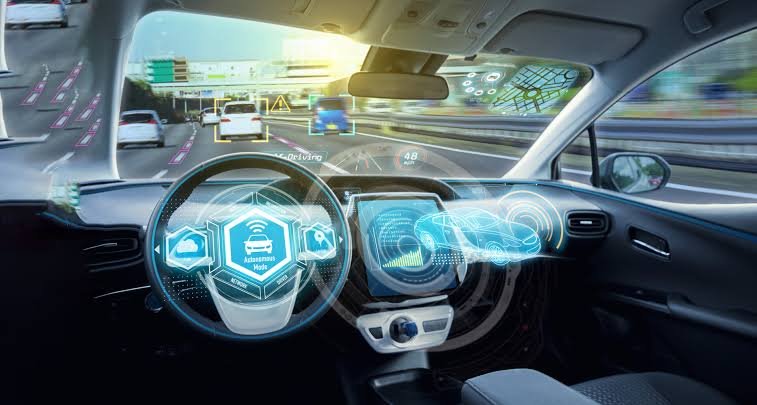
Autonomous Vehicles are transforming the way people travel from one place to another. These vehicles use advanced technologies to move with little or no human involvement. They rely on artificial intelligence, sensors, cameras, and computer systems to understand their surroundings. The main purpose of this technology is to improve road safety, reduce traffic congestion, and make transportation more convenient. As technology continues to develop, autonomous vehicles are becoming an important part of the future of mobility.
1. What Are Autonomous Vehicles?
Autonomous Vehicles are modern vehicles designed to perform driving tasks automatically. They use intelligent systems to observe roads, recognize traffic signs, detect pedestrians, and respond to changing road conditions. Depending on their automation level, some vehicles can assist drivers, while others are designed to operate without continuous human control. This technology is being developed for cars, buses, delivery vehicles, and other forms of transportation. Autonomous vehicles aim to make travel safer, more efficient, and more accessible for different groups of people.
2. How Autonomous Vehicles Work
Autonomous Vehicles work through a combination of hardware and software that helps them understand and navigate their environment. Cameras capture visual information, while radar and other sensors detect nearby vehicles, objects, and obstacles. Artificial intelligence processes this information and helps the vehicle decide when to accelerate, brake, or change direction. GPS and digital maps can also support navigation and route planning. By combining these technologies, autonomous vehicles can make driving decisions based on the conditions around them.
3. The Role of Artificial Intelligence
Artificial intelligence is one of the most important technologies behind Autonomous Vehicles. It allows vehicles to analyze large amounts of information and recognize patterns in road environments. AI systems can identify pedestrians, cyclists, traffic signals, road markings, and other vehicles. They also help predict the possible movements of surrounding road users. Although these systems can improve driving performance, they require extensive testing and reliable data to handle unexpected situations. Continuous development of AI is essential for making autonomous transportation more dependable.
4. Benefits of Autonomous Vehicles
Autonomous Vehicles offer several potential benefits for individuals and society. They may reduce accidents caused by common human errors, such as distraction, fatigue, or delayed reactions. These vehicles could also improve travel convenience by allowing passengers to use their time for other activities. In some situations, automated driving systems may help maintain smoother traffic flow and reduce unnecessary braking. Furthermore, autonomous transportation could improve mobility for older adults and people with certain disabilities. However, these benefits depend on the vehicle’s capabilities, operating conditions, and the quality of its safety systems.
5. Autonomous Vehicles and Road Safety
Road safety is a major reason for developing Autonomous Vehicles. Human mistakes contribute to many road accidents, and automated systems can help detect hazards and react quickly. Features such as automatic emergency braking, lane assistance, and collision warnings already support safer driving in many modern vehicles. More advanced autonomous systems aim to manage additional driving tasks with limited human intervention. Nevertheless, sensors can struggle in heavy rain, fog, poor lighting, or complicated traffic situations. Therefore, autonomous vehicles must undergo careful testing and safety evaluations before being trusted in wider driving environments.
6. Environmental Impact of Autonomous Vehicles
Autonomous Vehicles may contribute to environmental improvements when combined with efficient driving systems and electric powertrains. Automated driving could reduce unnecessary acceleration and braking, potentially lowering energy consumption under suitable conditions. Better route planning may also help avoid some traffic delays and reduce wasted fuel. However, autonomous technology does not automatically make a vehicle environmentally friendly. Increased travel demand, energy-intensive computing systems, and the production of vehicle batteries can create environmental challenges. The overall impact depends on vehicle design, energy sources, passenger behavior, and transportation policies.
7. Challenges Facing Autonomous Vehicles
Despite their potential, Autonomous Vehicles face several technical and practical challenges. One major difficulty is responding safely to unpredictable events, such as sudden road closures, unusual obstacles, or careless driving by other road users. Developing reliable software and maintaining accurate sensors can also be expensive. In addition, manufacturers must protect vehicles against cybersecurity threats that could affect their operation. Public trust is another important issue because many people remain concerned about allowing computers to control vehicles. Addressing these challenges requires research, real-world testing, strong security measures, and clear safety standards.
8. Different Levels of Vehicle Automation
Autonomous Vehicles are commonly classified into six levels of driving automation, ranging from Level 0 to Level 5. Level 0 involves no driving automation, although warning and emergency assistance features may be available. Levels 1 and 2 provide limited assistance with steering, acceleration, or braking, while the human driver remains responsible for monitoring the road. At Level 3, the vehicle can perform certain driving tasks under specific conditions, but a human fallback may be required. Level 4 allows automated driving within defined operating conditions without expecting a human to take over immediately. Level 5 represents full driving automation under all road and environmental conditions the vehicle is designed to encounter.
9. Autonomous Vehicles in Public Transportation
Autonomous Vehicles could change public transportation by introducing automated buses, shuttles, and other passenger services. These vehicles may help connect residential neighborhoods with train stations, shopping areas, and workplaces. In controlled environments, automated shuttles can provide convenient transportation for short journeys. Public transport operators may also use automation to improve scheduling and operational efficiency. However, passenger safety, accessibility, emergency procedures, and public acceptance must be carefully considered. Successful adoption will depend on reliable technology and suitable infrastructure.
10. Economic Impact of Autonomous Vehicles
The development of Autonomous Vehicles could create new business opportunities across several industries. Companies may invest in artificial intelligence, sensor manufacturing, vehicle software, mapping services, and transportation management. Automated delivery services could also change how goods are moved between warehouses, businesses, and customers. At the same time, the technology may affect jobs related to driving, logistics, and vehicle operations. Workers may need training to move into new technical or supervisory roles. Governments and businesses should prepare for these changes by supporting education, workforce development, and responsible innovation.
11. Legal and Ethical Considerations
Autonomous Vehicles raise important legal and ethical questions that must be addressed before widespread adoption. When an automated vehicle causes an accident, determining responsibility may involve the manufacturer, software developer, vehicle owner, or another party. Privacy is another concern because connected vehicles can collect information about locations, journeys, and driving habits. Clear rules are needed to protect personal data and establish accountability. Ethical decision-making during emergencies also requires careful consideration. Governments, technology companies, and safety experts must work together to create fair and effective regulations.
12. The Future of Autonomous Vehicles
The future of Autonomous Vehicles will depend on improvements in technology, safety, infrastructure, and public confidence. Researchers are working to develop more accurate sensors, smarter driving software, and systems that can handle complicated road situations. Cities may gradually introduce automated transportation in designated areas where conditions are suitable. Electric vehicles and connected transportation networks could also work alongside autonomous driving systems. Although fully autonomous travel is not yet practical everywhere, continued research may expand its use over time. The goal is to develop transportation solutions that are safer, more accessible, and more efficient.
Conclusion
Autonomous Vehicles represent an important advancement in modern transportation. They combine artificial intelligence, sensors, and computing systems to perform driving tasks with reduced human involvement. These vehicles offer potential benefits in road safety, mobility, and transportation efficiency. However, technical limitations, cybersecurity risks, legal questions, and public concerns must be addressed. With responsible development and proper regulation, autonomous vehicles could play a valuable role in shaping future transportation systems.
Frequently Asked Questions (FAQs)
1. What are Autonomous Vehicles?
Autonomous Vehicles are vehicles that use technologies such as artificial intelligence, cameras, and sensors to perform some or all driving tasks. Their level of automation determines how much human involvement is required.
2. Are Autonomous Vehicles completely safe?
No vehicle can be guaranteed to be completely safe. Autonomous systems can help prevent certain accidents, but they may still struggle with unexpected hazards, poor weather, or complex road conditions. Testing and appropriate safety measures remain essential.
3. Will Autonomous Vehicles replace human drivers in the future?
Autonomous Vehicles may take over some driving tasks in specific environments and transportation services. However, widespread replacement of human drivers is uncertain because technological, legal, economic, and social challenges remain.